

Precious metals may witness contrasting halves this year, says UBS
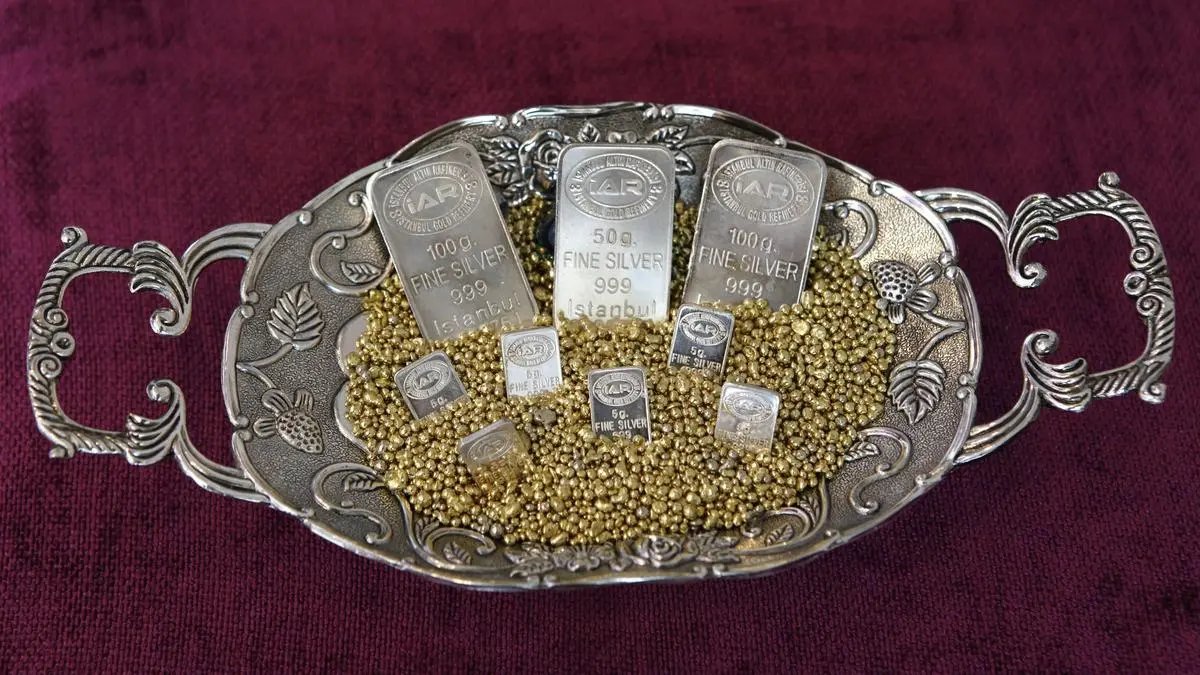
Precious metals will likely witness two different halves this year, with prices rising in the first and tapering off in the second, says UBS precious metal experts.
“In the first half, gold could rise to $5,000 an ounce and silver to $100 an ounce. In the second half, gold could be around $4,500 and silver at $75,” said Joni Teves, precious metal strategist at the Swiss-based bank.
Teves and UBS global head of precious metal distribution, Andrew Matthews, were addressing the Swiss Bank’s 2026 Precious Metal Media Briefing on Wednesday.
Long-term view
In the long-term, gold could rule at historic high levels as the yellow metal has become a core part of investments. “Gold will be more resilient,” said Matthews.
Stating that market tightness and speculation will continue to drive silver prices, he said high demand from India last year supported liquidity in London, which in turn led to speculation.
The historical imbalance in silver supply and demand has not been seen since the Hunt brothers episode in 1980. The market is in general deficit of the white precious metal, said Matthews, adding that backwardation (a situation in which spot prices are higher than futures) remains a factor.
Significant ETF role
High silver prices, however, have led to lower demand from India after October, while Chinese demand continues. “ETFs (exchange-traded funds) have played a significant role, particularly in China,” he said.
On the likely impact if the US Supreme Court rules against the Donald Trump administration’s tariffs, Matthews said there will be a temporary decline in bullion prices.
To another question, he said if the US eases curbs on imports of goods, it could ease the tightness in the silver market in non-US markets.
Teves said it would be healthy if the gold market turns cautious before moving up, though 2026 could witness a lot of volatility in silver.
Gold-silver ratio
“Silver usually outperforms gold and reacts more to a fall in gold prices. There could be more fall in the gold-silver ratio,” she said. Currently, the gold-silver ratio is 56.4:1, which means an ounce of gold can get 56.4 ounces of silver. A year ago, the ratio was 89.9:1.
Stating that gold is unstable with real rates, Teves said once the US Fed reaches the end of the cycle in lowering interest rates, growth would recover. This would put pressure on gold.
Matthews said ETFs are witnessing geographical diversification with a shift seen in India and China. “These markets are jewellery-driven. Retail demand suffered in these markets but that has been offset by investment demand,” he said.
Though ample gold supplies may be available in the world, they may not be in the “right location”. On the other hand, silver has seen more activity in the past three months, Mathhews said.
Chinese order ‘misunderstood’
Teves said China’s order on registration for silver exports from January 1 has been misunderstood. “China said exporters should have a licence for exports. It has been misunderstood. This will not have any impact on silver,” she said.
Central banks’ demand for gold could slow this year, but it would be difficult to pinpoint and say from which central bank demand for gold would emerge, said Teves.
On the platinum group metals, she said the demand for battery-driven vehicles is destructive for those driven on petrol. This would be negative for palladium, which is used as a catalytic converter in such vehicles.
Published on January 14, 2026

