


Optimising crop yield through soil testing: A scientific approach to smarter farming
India’s economy still heavily depends on its agricultural sector. With over 60 per cent of the population depending on agriculture, keeping the soil healthy becomes a top priority. Soil testing is essential for good and sustainable farming, but it is often overlooked by farmers. It is a science-based process that can change the way of farming. In India, soil testing adoption among farmers remains worryingly low; a large portion still does not use scientific soil analysis before sowing. For instance, in Punjab’s Barnala district, only about 20 per cent of farmers regularly test their soil and act on the recommendations, leaving 80 per cent not utilising the technique. In today’s changing times, where the weather is unpredictable and the cost of farming has increased significantly, farmers will significantly benefit if they make soil testing an essential part of their farming practices.
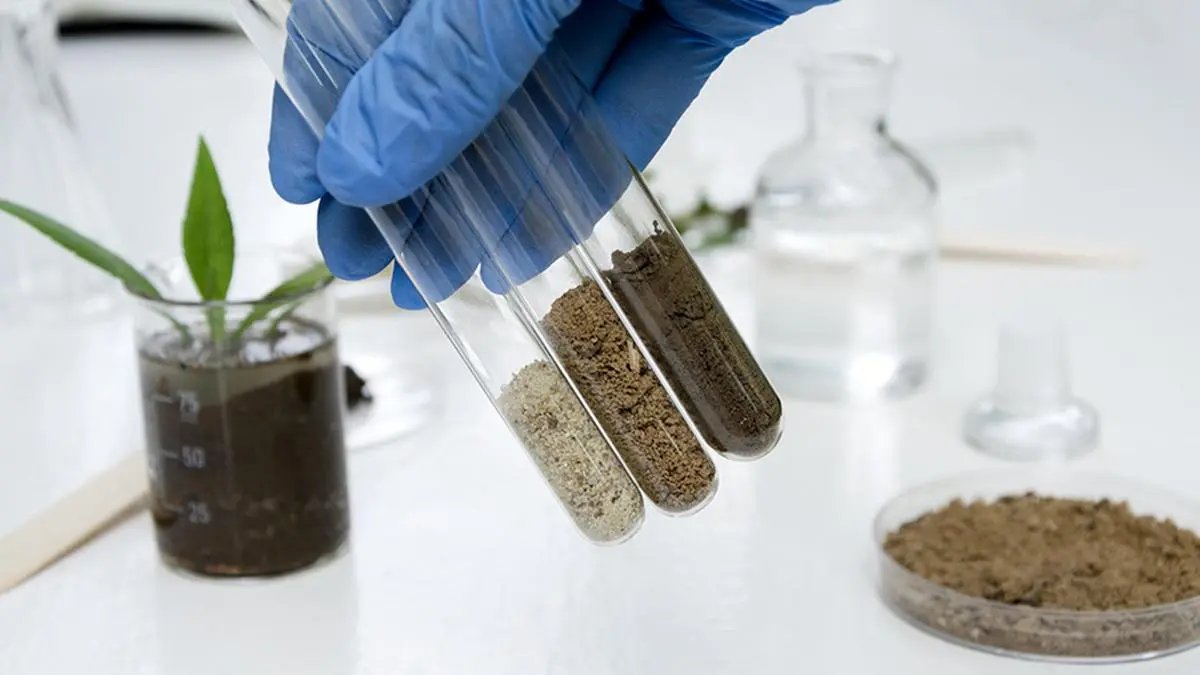
Soil is the foundation of any crop. When the quality of the soil is properly analysed and understood, it results in healthy crops and protects them from diseases. This also leads to better crop production. In the soil testing process, soil samples are taken and thoroughly analysed. It further helps determine which nutrients are present in the soil, such as nitrogen, phosphorus, potassium, zinc, iron, etc. The test also clearly shows the quantity of each nutrient, for instance, the pH level of the soil and the amount of organic matter in it. Through soil testing, we come to know what is lacking in the soil and which elements are present in excess. Which further helps the farmer determine the exact quantity of additional nutrients needed for the soil to make it optimum for growing a particular crop.
Advantages
Based on the report, agricultural experts or extension workers can guide farmers on: The best-suited crops for that soil, exact quantities of fertilisers to use, and Ideal sowing times and soil amendments needed. Every crop requires a different type of soil. We cannot grow all types of crops in the same kind of soil. Just as rice requires slightly acidic and clayey soil, wheat requires neutral or slightly alkaline and loamy soil. Due to the influence of soil on crops, farmers often face poor yields. By adopting soil testing, crops start growing well right from the beginning.
Excessive or insufficient use of fertilisers is a common issue. If nitrogen is already present in the soil and in the right amount, but the farmer still adds more fertilisers, it leads to spoilage of both the soil as well as crops. Through this, the farmer will be able to provide the soil with exactly the nutrients it needs. By getting soil testing done, farmers can also save on their expenses. This makes it easier for farmers to purchase the right fertiliser for their soil.
Additionally, this method boosts their crop yield for longer farming and harvesting seasons.
Importance of technology
The most serious issue is that the technology and system of soil testing are available, but many farmers in the country do not know about them. There is a lack of awareness and education about soil testing among farmers in rural and tribal areas. Soil testing can be costly, and many rural farmers find it difficult to bear this expense. The high cost often prevents small and marginal farmers from accessing this important service. Therefore, it is crucial that we inform these underprivileged farmers about the advantages of soil testing and to reach out to the farmers who are farming in rural and remote areas and inaccessible regions to make them aware of this subject.
This technology will enable farmers to obtain correct information about the soil, and it also helps them make the right decisions related to agriculture. On the basis of the information received about the soil in the test report, farmers can use the right amount of fertilisers, which will reduce their unnecessary expenses and also keep the quality of the soil good. If the health of the soil is good, the crop will also be good and farmers will get the benefit of more production. This way, the financial condition of farmers will improve, and there will be growth in crop production as well. This way, the country’s agriculture will be prosperous.
(The author is CEO & Founder of the Aahwahan Foundation)
Published on July 26, 2025

