
Lakshadweep emerges as high-potential hub for marine fisheries, exports
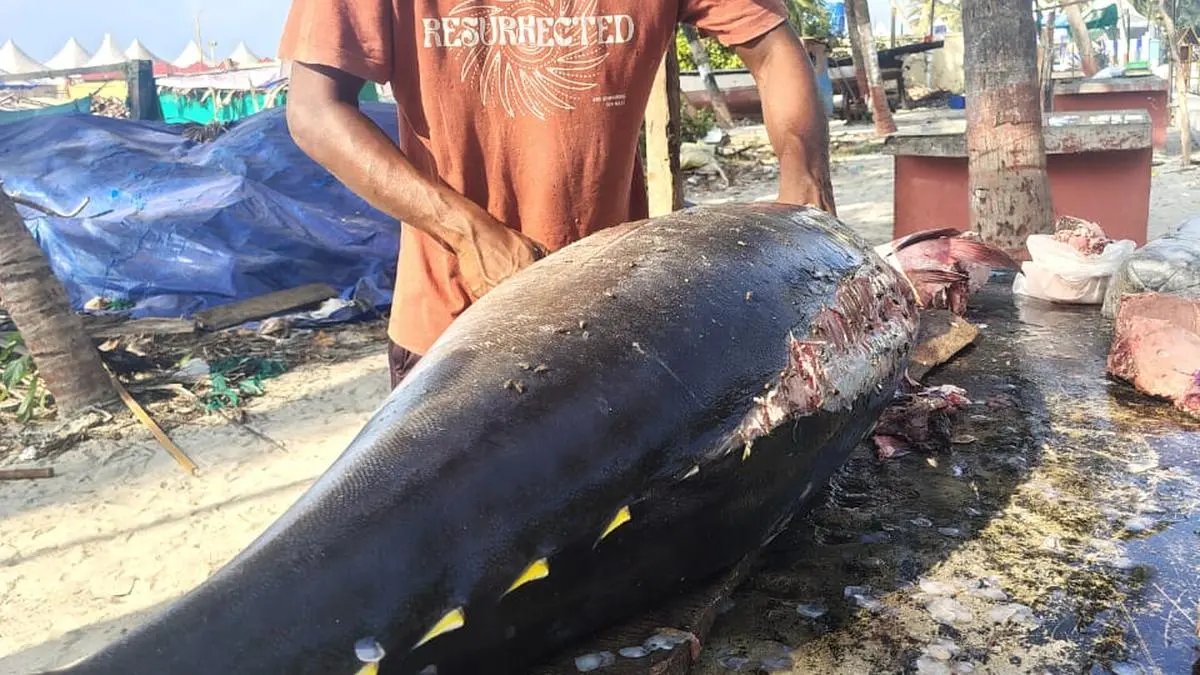
Lakshadweep Islands hold immense potential for marine fisheries, particularly tunas and tuna-like species, marine ornamentals and seaweeds which offer significant opportunities for export-driven revenue generation, said Grinson George, Director, ICAR–Central Marine Fisheries Research Institute.
However, he stressed that the absence of a robust post-harvest ecosystem remains a major bottleneck in realising this potential.
George, who was in Kavaratti for the just concluded Matsya Mela, underlined the need to establish systemic post-harvest facilities across the archipelago, including modern cold storage and processing infrastructure capable of maintaining sashimi-grade tuna quality for international markets. “These facilities should be designed to cater to the requirements of all 10 inhabited islands of Lakshadweep, ensuring quality preservation, value addition and seamless export logistics,” he said.
In addition to tuna, he emphasised the need to strengthen the value chain for other commercially important fish species in the region to diversify income sources and enhance overall fisheries resilience. He pointed out that scientific data is fundamental to this process. Regular and reliable fish catch data estimation is essential for effective fisheries management, value chain development and export strengthening in Lakshadweep, he noted.
Highlighting operational challenges, Mohammed Althaf Hussain P P, President of the Androth Island Fishermen Cooperative Society said the establishment of a state-of-the-art mother vessel is an urgent requirement for the islands. A mother ship would function as a floating hub for fish collection, immediate chilling, primary processing, icing, grading and storage of fish at sea, thereby maintaining export-grade quality. It would also reduce post-harvest losses, support multi-day fishing operations, aggregate catches from different islands, and act as a logistics bridge between fishers and mainland markets.
Hussain also proposed a common branding strategy that brings all Lakshadweep seafood products under a single umbrella, enhancing market identity, traceability and premium positioning in global markets.
Grinson George also highlighted emerging alternative livelihood opportunities in the islands, particularly marine ornamental fish culture and trade. In this direction, CMFRI has established a marine ornamental fish hatchery in Lakshadweep aimed at promoting sustainable production, reducing pressure on natural coral reef ecosystems, and creating new income avenues for island communities, he said.
Seaweed cultivation was identified as another promising sector with strong growth prospects. CMFRI intends to promote the cultivation of native seaweed species suited to Lakshadweep waters, focusing on sustainable practices, ecosystem safety and value-added product development.
Entrepreneurs in the region demand improved fishing infrastructure, comprehensive post-harvest facilities, and policy support to enable a vibrant startup ecosystem.
Mohammed Yaseen A P of FishCo, a start-up venture from Kiltan Island emphasised the need for market mainstreaming, access to technology, skill development and investment facilitation to unlock Lakshadweep’s blue economy potential in a sustainable and inclusive manner.
e.o.m.
Published on January 20, 2026

