
India’s dairy paradox: Abundance without aspiration — and how the sector is adapting
India’s dairy paradox: Abundance without aspiration — and how the sector is adaptingIndia’s dairy paradox: Abundance without aspiration — and how the sector is adapting
| Photo Credit:
AlexPro9500
Over the past few decades, Indian dairying has moved from scarcity to surplus and from survival to scale. The White Revolution reshaped how the nation nourished itself and laid the foundation for an industry that continues to grow in relevance and reach. Today, India produces about 240 million tonnes of milk annually, nearly a quarter of global production. This progress has generated livelihoods for close to eight crore dairy-farming households and built cooperative institutions that remain global benchmarks.
Yet, even with this success, the sector stands at a defining moment. We have mastered abundance, but we have not yet unlocked aspiration. And that is the story Indian dairy must now begin to write.
Between 2011 and 2024, dairy’s share of household spending remained steady at around 7 per cent in urban India and just over 8 per cent in rural areas. Yet spending on processed foods and beverages climbed from 9 to nearly 11 per cent. Indians are not spending less on food; they are redirecting their budgets toward products that better align with identity, convenience and modern lifestyles. While the share of household spending on dairy has stayed flat, the oddity that bottled beverages have caught up with per liter price of dairy products may look like a crisis.
Losing relative to categories
Dairy has not ceded ground due to irrelevance. It has lost relative to categories that have told stronger stories, expanded occasions, and created aspiration. It’s not that consumers do not value dairy on a par with other brands they love, the paradox is that despite the value they deliver, most dairy brands have yet to step up to command this value.
To understand why processed foods have captured the imagination of Indian consumers, we need to look deeper than convenience or marketing. Consumption, at its core, is driven by intrinsic motivation layered on emotional value. Successful packaged food companies — many of them selling products far less nutritious than dairy — understood this better than anyone. They decoded the underlying value in each consumption occasion, identified the differentiated functional benefit they could deliver, understood the emotional values that could be laddered from it, created products that fit those specific moments, and then connected their brands to consumers with precision. Categories ranging from salty snacks to sweetened beverages did not grow simply because they were tasty; they grew because they mapped themselves onto human needs such as comfort, reward, bonding, energy, indulgence or a momentary escape.
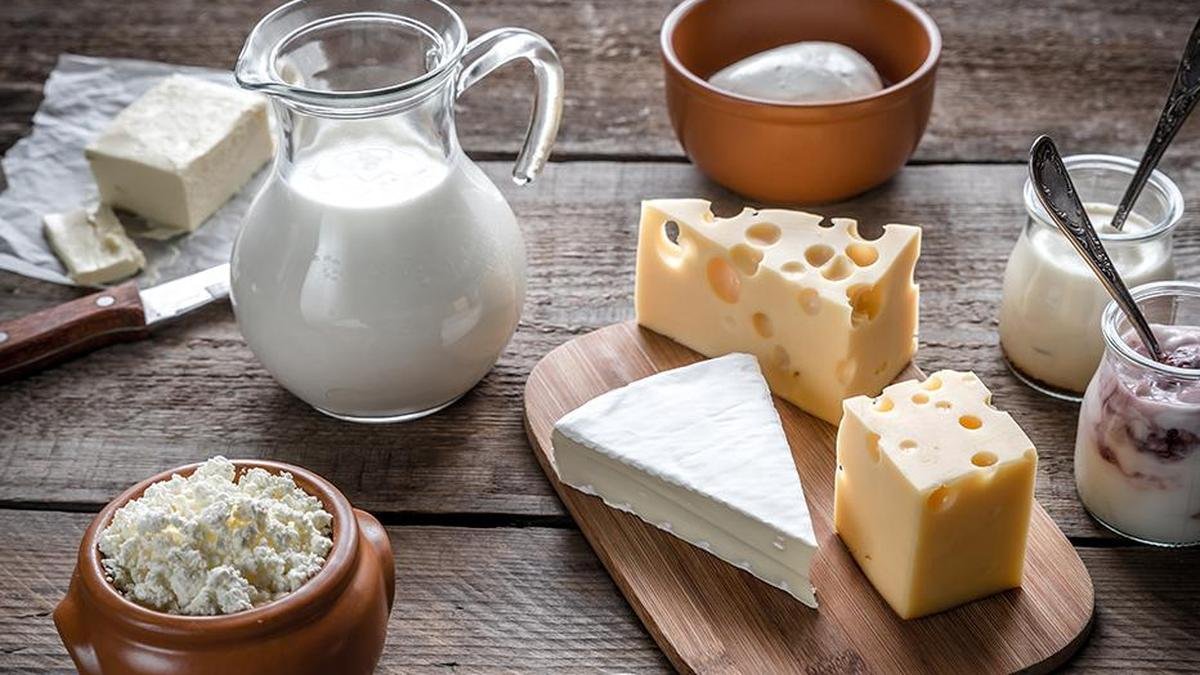
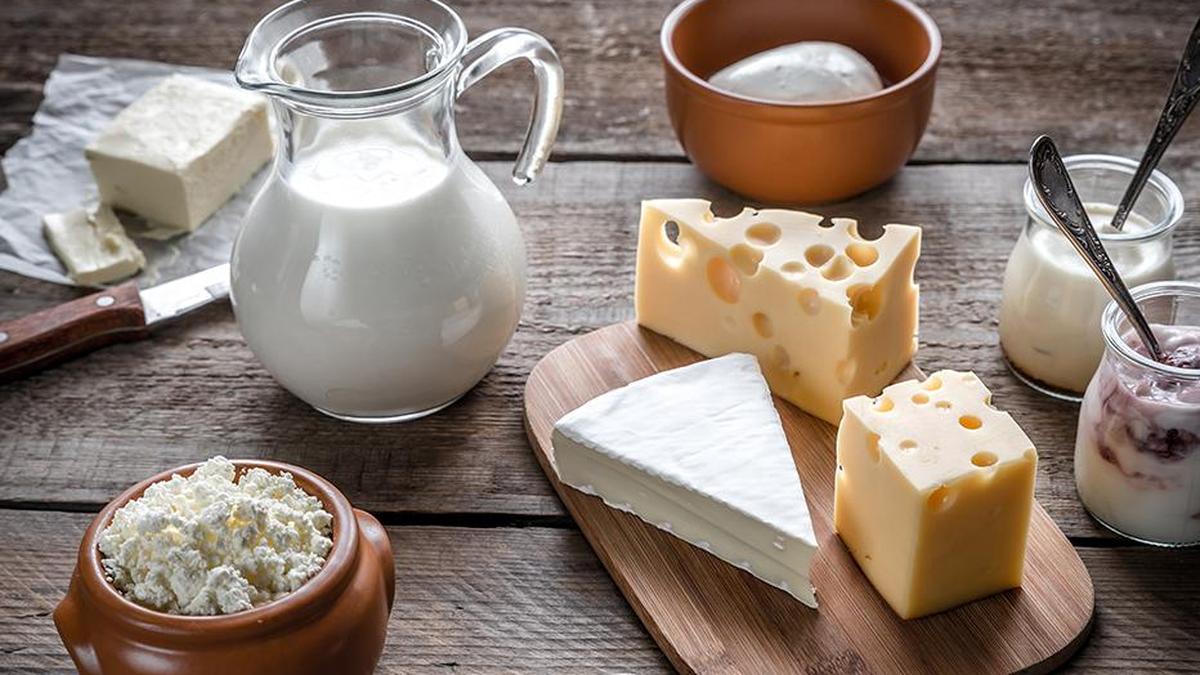
Dairy, surprisingly, has not done this yet, despite being better placed than any category to do so. Milk is a complete nutrition. It contains almost every nutrient the human body needs. It is also the most versatile raw material available to the food industry. It can become a milkshake or a cold coffee; a probiotic fermented product such as yoghurt or curd; cheese on the breakfast table or paneer at lunch; a buttermilk for replenishment or an ice cream for indulgence. The real paradox is that every one of these products is familiar to Indian consumers and has been part of our food culture for thousands of years.
Visible first signs
Yet, despite being loaded with protein, calcium and micronutrients, the dairy industry has not probably looked at the value in each of these occasions, articulated the differential benefit that can be delivered, created new formats with modern appeal, or layered dairy with emotional meaning that matches the aspirations of a young consuming population.
When this unlocks, dairy will create enormous value for everyone in the virtuous cycle, starting with consumers and flowing all the way to farmers. Better consumer value leads to premium brands, which leads to better margins, which leads to higher farmer remuneration, which leads to improved herd quality and higher-nutrition milk. Every stakeholder benefits eventually – including retailers, shareholders and, ultimately, the broader public. This is how a nation ensures that its wallet share shifts toward nutritious products, rather than toward less nutritious or even harmful indulgences that thrive mostly on emotional appeal.
The first signs of this shift are already visible. Walk through many of the modern retail stores, and you see premium yoghurt selling briskly, artisanal ghee commanding strong premiums, flavoured milk disappearing from shelves, and high-protein and lactose-free ranges gaining traction. The value-added dairy segment, comprising curd, paneer, cheese and ice-creams, is growing at twenty-odd per cent, more than twice the pace of the broader market and now contributing 40 to 45 per cent of revenues for several leading private players. Yet, this has yet to become an industry wide phenomenon.
Umistakeable lesson
Globally, the lesson is unmistakable. Dairy majors have built scale on milk but built value on innovation, functionality, convenience and premium experiences. India has the raw material, the cultural depth and the consumer trust to follow this path. What we need now is an industry wide desire to create more value in dairying, which catalyses innovation and new consumption occasions with even more value.
India’s dairy paradox is not a problem to solve but a transition to manage. Abundance gives the sector room to innovate, experiment and aim higher. As incomes rise, health awareness grows, and a young population seeks better nutrition, the conditions for a dairy renaissance are already in place. The next chapter requires a shared commitment to value: products that delight, nourish and align with aspiration. Products consumers choose out of desire, not habit.
India became the world’s largest dairy producer through vision and collective effort. The next leap demands that same spirit — this time, not just for production, but for transformation. From abundance to aspiration. From plenty to possibility.
The author is CEO of Heritage Foods
Published on November 29, 2025

