
Indian farming entering a rapid transition period, says Crystal Crop chief
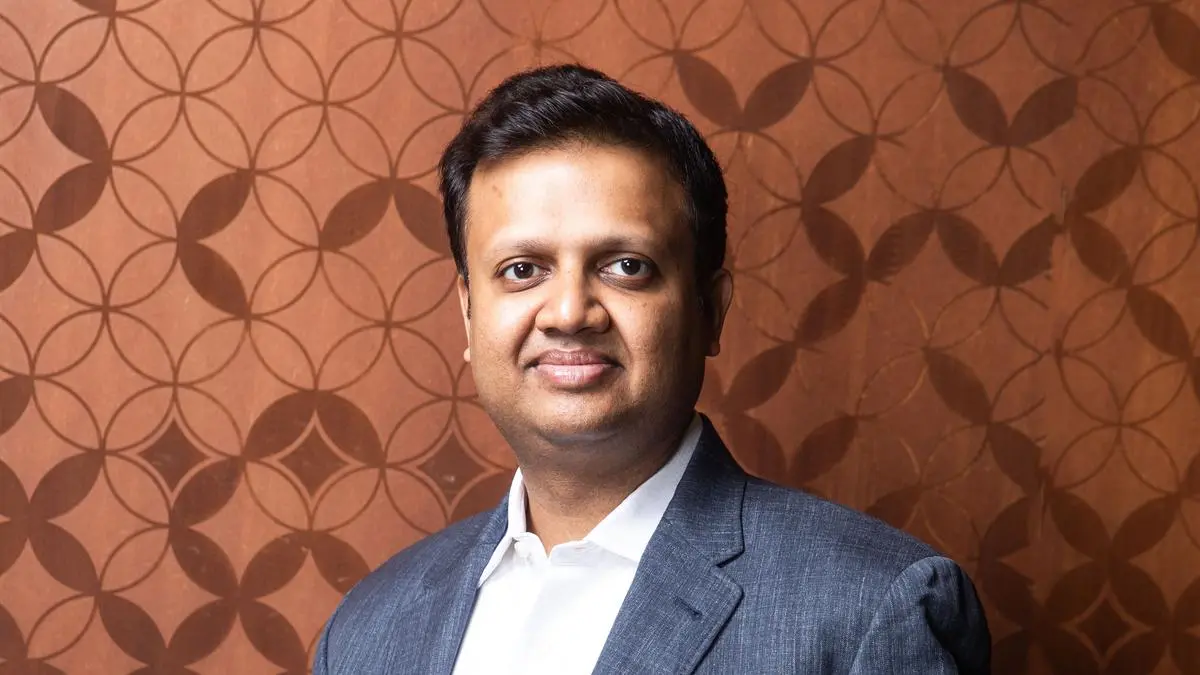
“Science-first farming” is the path to sustainable income growth, and Indian farming is entering a period of rapid transition, says Ankur Aggarwal, Executive Chairman & Managing Director, Crystal Crop Protection Limited.
Aggarwal, who was recently elevated as the executive chairman, told businessline that unpredictable weather, shifting pest patterns, soil fatigue and a widening knowledge gap among smallholders are the major challenges.
You have just been elevated as the Executive Chairman in addition to your role as Managing Director of Crystal Crop Protection.
My journey at Crystal has been shaped by two constant forces: the values my father built this company on, and the responsibility of serving India’s farmers with sincerity. I’ve been fortunate to work across many parts of the organisation over the years. Whether it was managing operations, being involved in supply chain planning, visiting fields with our teams or understanding the daily realities of our farmers. Each experience gave me a deeper appreciation of how complex and emotional agriculture is in India.
My father’s dedication, discipline and belief in doing the right thing have shaped Crystal’s identity. My commitment now is to honour that legacy while giving the organisation the strategic direction and energy it needs for the future.
What are the key focus areas as you now completely lead the organisation?
Our priorities today are very clear. We want to become a far more agile and innovation-focused organisation. That means building stronger R&D capabilities, strengthening our presence in core crops, improving how we reach farmers and ensuring our teams have the freedom and tools to make faster decisions.
Over the long term, I want Crystal to play a defining role in shaping modern Indian agriculture. We are building a sharper route-to-market approach, investing in digital tools that allow us to make better decisions and preparing our teams to be future-ready. Most importantly, we want to create an environment where innovation is not just confined to laboratories but becomes a mindset across the organisation.
The next decade belongs to companies that combine science, speed and real empathy for the farmer. That is the direction we are firmly moving towards.
What, in your view, is the way forward for the Indian farm sector?
Indian agriculture is entering a period of rapid transition. Farmers are becoming more informed; technology is becoming more accessible and climate patterns are becoming more unpredictable. This combination means the next ten years will define the next five decades.
The future will be shaped by three things: efficiency, sustainability and technology. Precision input use will become essential. Crops will need to be more climate-resilient. Digital advisory will become as important as the product itself. And supply chains will need to adapt to ensure that farmers get fair value for their efforts.
I see a future where Indian agriculture is not just feeding our nation but is globally competitive, technologically confident and more inclusive of small farmers. Crystal wants to be at the centre of that change.
What are the biggest on-field challenges that you foresee, and how do you plan to execute them?
Across the fields, we see four major challenges: unpredictable weather, shifting pest patterns, soil fatigue and a widening knowledge gap among smallholders. These issues are not abstract; they affect the farmer’s income and confidence every single season.
Our response is deeply execution-led. Our goal is simple: respond faster, act smarter and support farmers with advice they can rely on. If we can reduce the farmer’s uncertainty, we improve not just productivity but also trust.
Farmers are now looking at reducing their cost of cultivation and increase their incomes. How will Crystal help them achieve these objectives?
India needs five fundamental shifts. We need a subsidy system that encourages smart input use, not overuse. We need universal digital land records so farmers can access credit, insurance and precision support more easily. We need better strategies for climate-resilient farming. We need stronger post-harvest and export infrastructure to reduce wastage and improve price realisation. And most importantly, we need closer coordination between research institutions, industry and farmers.
We are shifting from being a typical input supplier to becoming a long-term solution partner. It is not enough to just sell a product; we must help the farmer see real outcomes in the field. That is where income improvement truly begins
What are the structural shifts needed in agriculture today to make India an agricultural powerhouse?
India needs five fundamental shifts. We need a subsidy system that encourages smart input use, not overuse. We need universal digital land records so farmers can access credit, insurance and precision support more easily. We need better strategies for climate-resilient farming. We need stronger post-harvest and export infrastructure to reduce wastage and improve price realisation. And most importantly, we need closer coordination between research institutions, industry and farmers.
If these shifts align, India has the potential to become an agricultural powerhouse driven by science, sustainability and confident farming communities.
What are the expectations from India’s farmers today? How will your firm cater to those requirements?
Farmers today look for three simple but powerful things: reliability, knowledge and trust. They want products that work consistently, advice that is unbiased, and a partner who stands with them beyond the sale.
Our efforts—whether through our product portfolio, the “Crystal Doctors” program, or digital advisories—are built around these expectations. Everything we do aims to make the farmer feel that choosing Crystal was the safest and smartest decision for their crop.
Your view on agricultural costs rising, but yields are not increasing?
The biggest opportunity lies in precision. Yields are plateauing in many crops, and the cost of cultivation is rising. Increasing input use is not the answer. Smart usage is. With better crop protection practices, stronger genetics through seeds, balanced nutrition and timely advisories, farmers can unlock significantly higher yields without increasing cost.
“Science-first farming” is the path to sustainable income growth.
How is Crystal Crop Protection focusing on R&D initiatives? What sort of investments are you making in R&D efforts?
R&D is central to the next chapter of our growth. Our focus is on building solutions that are effective, sustainable and ready for future climatic challenges. This includes new-generation patented chemistries, biologicals, improved formulations and seeds with stronger traits. Over the last few years, we have consistently increased our R&D investments.
How are you focusing on building your portfolio? What kind of market share does your CP portfolio enjoy? What is the market share of your seeds business?
We have built strong and meaningful positions across major segments. Our crop protection portfolio holds deep trust amongst farmers in herbicides, insecticides, fungicides and biologicals. These are categories where we have delivered performance consistently over many years.
Our seeds business is growing steadily with strong offerings in cotton, paddy, and vegetables. These hybrids perform well across diverse geographies, which has helped us earn loyalty from farmers who value consistency and reliability.
Where do you plan to see crop protection and the Seeds businesses in the next 3- 5 years?
In crop protection, we want to transition towards a more innovation-driven and efficiency-focused model. We aim to strengthen our position in strategic crops with patented chemistries and build deeper farmer penetration.
In seeds, we see a very wide opportunity. We plan to expand our hybrid portfolio, invest in climate-resilient genetics, and strengthen our presence in high-potential crops. Seeds will be a major pillar of our future growth.
How are your acquisitions made in the past few years shaping up? Any plans for further acquisitions in the future?
Our past acquisitions have integrated well and strengthened us in multiple ways—wider portfolios, deeper footprints, and stronger backward capabilities. They helped us expand not just in scale but in the quality of our offerings.
Looking ahead, we will continue to evaluate opportunities that align with our mission. Whether it is innovation, manufacturing, or sustainable agriculture, we are open to partnerships that help us create long-term value for farmers and the ecosystem.

