

In Kashmir’s saffron fields, flowers bloom but yields fall
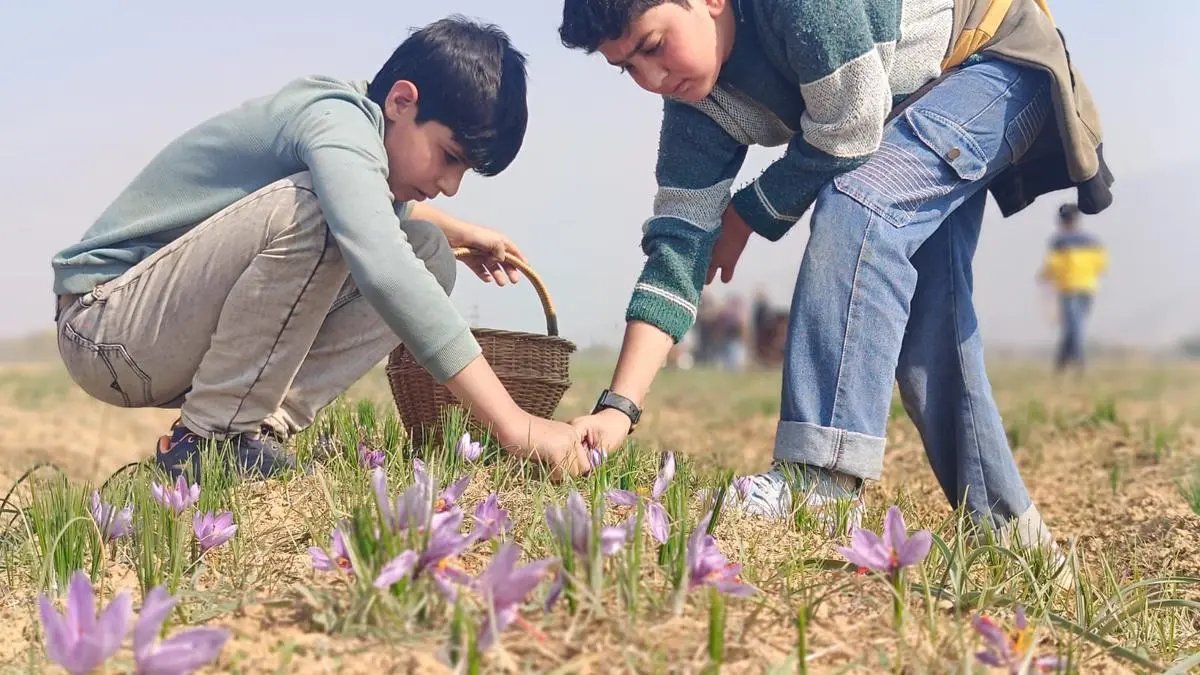
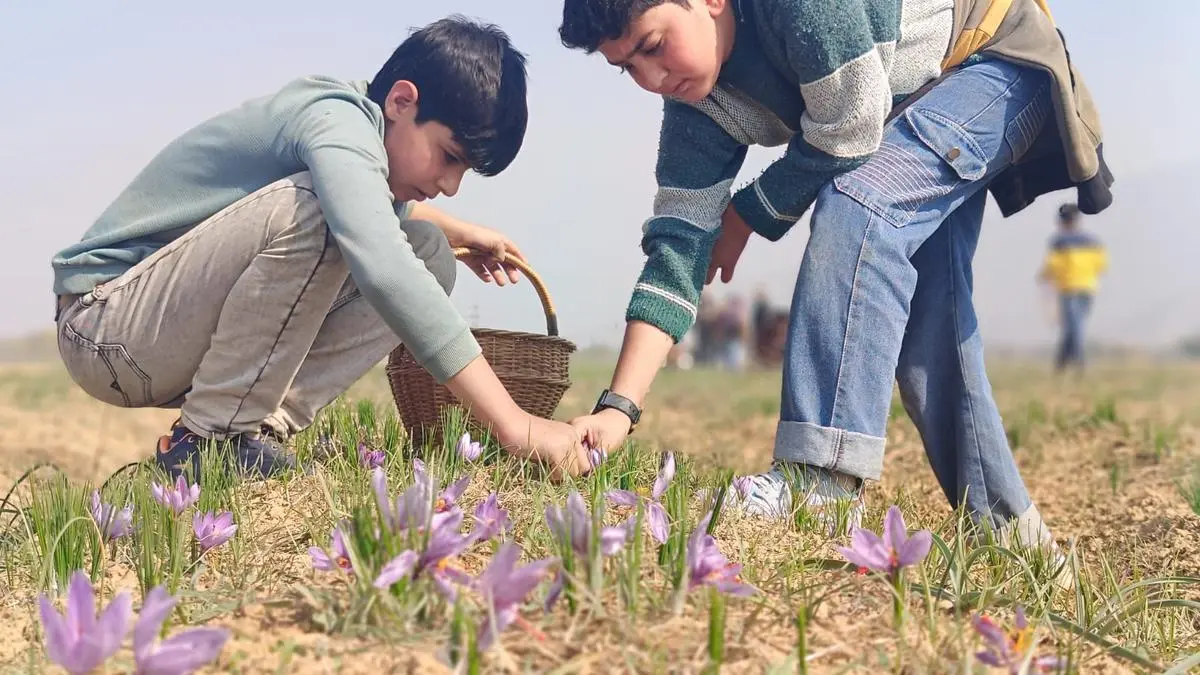
Many blame the dry winter months for the poor yield, stating that the corms failed to grow properly
In the crisp autumn air of Pampore’s Lethpora, about sixteen kilometres south of Srinagar, Ali Mohammad Reshi moves slowly through rows of lilac saffron blossoms spread across his five-kanal farm. He plucks each delicate flower, its bright red stigmas standing out vividly, and collects them in a wicker basket. Later, he carefully separates and dries the fine threads, which produces the poshest spice.
Reshi , however, is not happy with this year’s harvest which he said has declined sharply compared to last year.
“It is barely 25 per cent of what I produced last season,” he said, holding up a half-filled basket of freshly plucked flowers.
Last year’s crop, he added, was not particularly good either, though still far better than this season’s meagre yield.
Across the sprawling saffron fields nearby, scores of farmers can be seen harvesting the crop. Many blame the dry winter months for the poor yield, stating that the corms failed to grow properly.
“The corms remained thin and did not produce the expected yield,” said Bilal Ahmad, another grower.

Around 3,200 hectares in the region are under saffron cultivation
Pampore has long been the centre of saffron cultivation in Kashmir, with more than 20,000 households depending on the crop for their livelihood. Around 3,200 hectares in the region are under saffron cultivation.
But output has been falling for years, threatening both farmers’ incomes and the survival of the centuries-old heritage crop. Climate change and unregulated conversion of farmland are seen as the key reasons behind the decline.
“Erratic weather patterns have taken a toll on the spice. Over the last two years, we’ve seen almost snowless winters and prolonged dry spells in summer,” said an agriculture department official. He added that porcupines now remain active longer into winter, damaging saffron corms, a change linked to the warmer climate.
According to official data, the area under saffron cultivation has shrunk from about 5,700 hectares in the late 1990s to just 3,665 hectares in 2025.
A failed scheme
To protect the crop, the government passed the Jammu and Kashmir Saffron Act in 2007, banning the conversion of saffron land for other use. Three years later, it launched the ₹412-crore National Saffron Mission, introducing drip irrigation to offset the impact of dry spells.
But farmers say the initiative never fully materialised.
“A mesh of pipes were laid, but the system was never made to work,” said a group of farmers in saffron-rich Chatlam village.
Published on November 20, 2025

