

How GST 2.0 enables faster, cheaper and reliable logistics
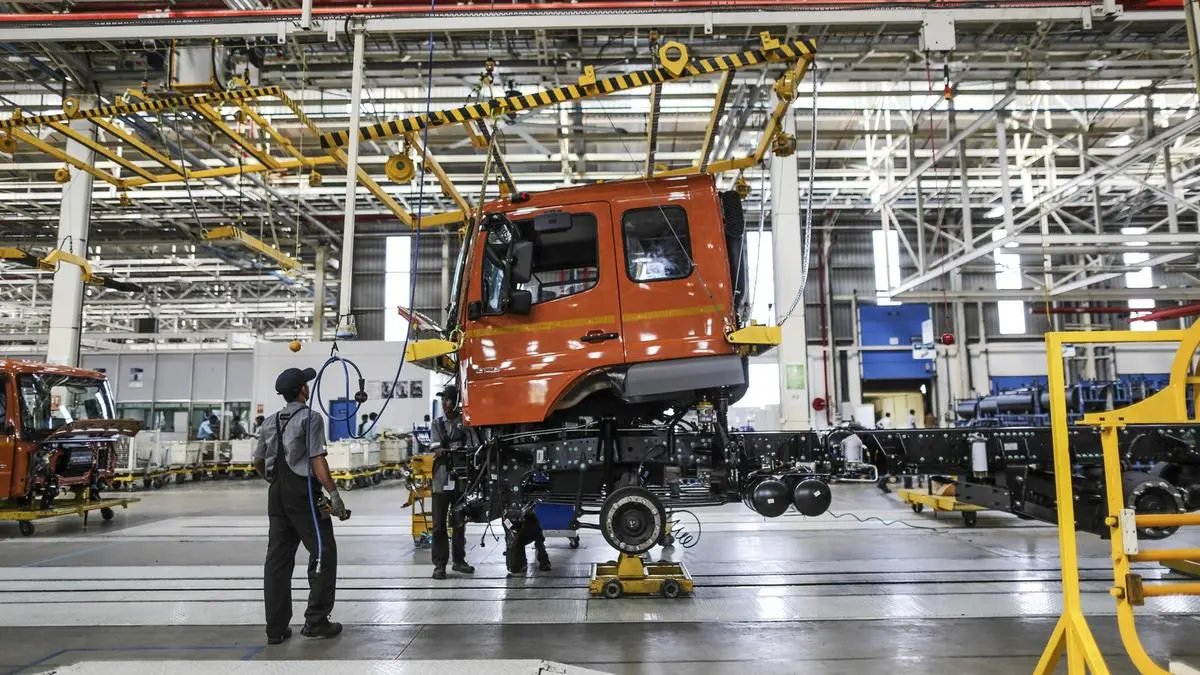

MORE WHEELS: Lower GST on commercial vehicles reduces the cost of
fleet expansion, helping operators upgrade networks efficiently
| Photo Credit:
Dhiraj Singh
India’s logistics sector is at a crucial inflection point with the introduction of GST 2.0. As logistics costs remain high and supply chains grow complex, the updated framework focuses on simplification, integration and stronger compliance. This is expected to reduce hidden interstate costs, optimise network planning and support integrated warehousing to boost the sector’s global competitiveness.
GST 1.0 (introduced in 2017) transformed the fragmented tax landscape into a single national framework. It eliminated interState checkpoints, simplified storage and allowed companies to design supply chains based on efficiency, not taxes. This cut transit time and established a unified national market, upon which GST 2.0 builds.
The broader impact is clear: an upgraded, digitally enabled framework with unified processes and stronger connectivity, which can support a more competitive and future-ready logistics ecosystem.
Driving volumes
The revised GST structure directly impacts consumption. Lower logistics costs reduce the cost burden across categories like FMCG, durables and automobiles — availability improves and pricing pressure eases, directly supporting household demand. Higher demand increases shipment volumes, and logistics networks see stronger utilisation across all routes. For operators, this means improved planning and a clearer path to scale.
Lower GST on commercial vehicles and essential capital equipment reduces the cost of fleet expansion, helping operators upgrade networks efficiently. Streamlined GST on freight services, particularly multimodal transport, strengthens this. These crucial savings free up working capital for investment in technology and resilient infrastructure in this margin-sensitive industry.
Empowering small biz
The core benefit of a streamlined tax framework consists in enabling logistics networks to be optimised for enhanced service quality and velocity.
While GST 1.0 fostered consolidation, GST 2.0 incentivises specialisation. Correcting structural issues, such as inverted duty burdens, directly mitigates operational impediments for micro, small and medium enterprises (MSMEs).
Simplified compliance and enhanced access to working capital, via expedited refunds give MSMEs the confidence and means to achieve national scalability.
A refined regulatory framework stimulates the integration of smaller, unorganised operators into the formalised sector. This promotes larger, technologically superior regional distribution centres (RDCs).
India growth story
The long-term impact of GST 2.0 goes beyond cost savings in the logistics sector to strengthen speed and transparency in service. As companies reach deeper into Bharat, entrepreneurial activity rises and supply chains become more reliable.
This progress aligns with India’s goal of becoming a $5 trillion economy.
Outlook 2026
By 2026, the sector will achieve structurally lower cost-to-serve levels, leveraging GST 2.0 to reinvest in digital systems and network expansion.
This shift enables advanced network rationalisation, moving planning from tax-dependent warehousing to a focus on velocity, normalising sophisticated RDCs, and hub-and-spoke systems.
Tax harmonisation across modes will accelerate multimodal integration, allowing operators to design agile, efficient route plans.
(The writer is Managing Director, Blue Dart)

Balfour Manuel, MD, Blue Dart
More Like This

Published on December 29, 2025

