

Brazilian soybeans output may reach 177 million tonnes: Report
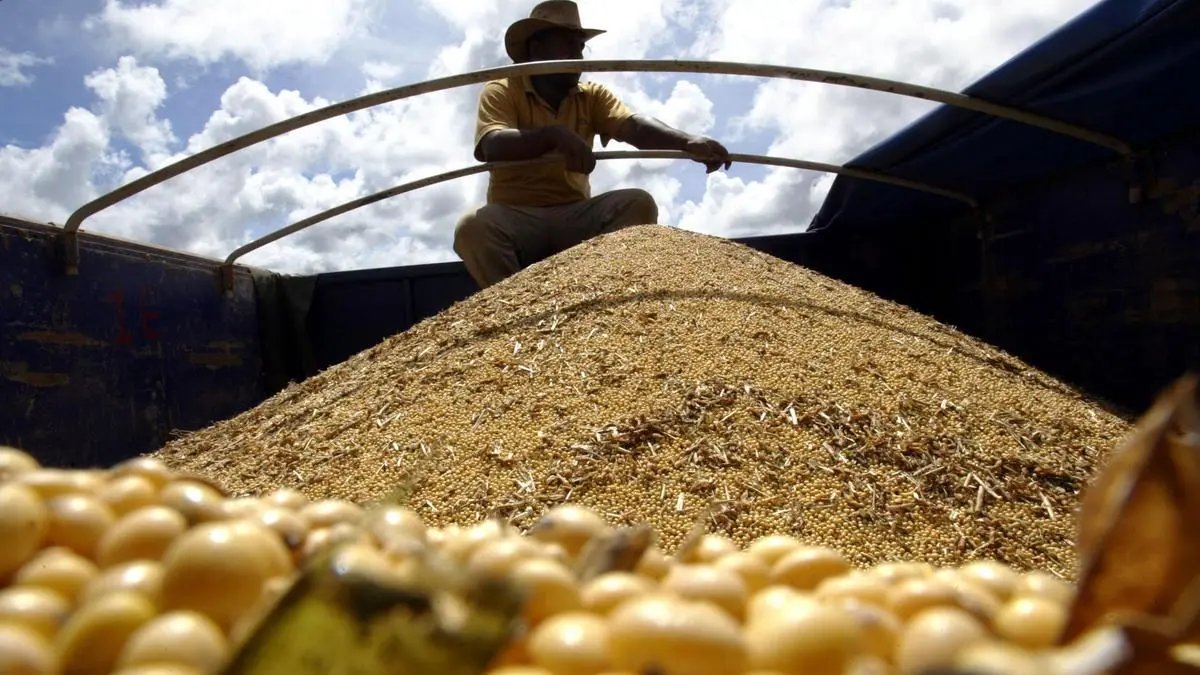

(file photo) RaboResearch projects a 2 mt increase in crushing, totalling 60 mt in 2025-26. This growth is driven by the anticipated rise in the mandatory biodiesel blend to 16 per cent, as outlined in the ‘Fuel of the Future’ law.
| Photo Credit:
REUTERS/Paulo Whitaker
Brazilian soybean acreage is expected to record a 2 per cent increase for the 2025-26 cycle, according to ‘Brazil agribusiness outlook 2026’ by RaboResearch.
If current yield trends persist, production is projected to reach a new record of 177 million tonnes (mt). Planting conditions and operational progress remain above the five-year average, reinforcing positive expectations for the upcoming crop, it said.
“For the 2025-26 cycle, despite high interest rates continuing to pressure farmers’ cash flow – many still highly leveraged – RaboResearch projects a 2 per cent increase in soybean acreage. While this represents growth, it is below the 15-year average expansion rate of roughly 4 per cent per year,” it said.
Competitive to US
Looking ahead to trade performance, Brazilian exports are expected to maintain the record volumes of 2025, estimated at 111 mt. “Despite the recent US-China trade agreement, Brazilian soybeans remain competitive compared to US supplies. Moreover, any volumes agreed between the US and China could fall short of expectations, potentially favouring Brazilian exports once again,” it said.
Upon processing, RaboResearch projects a 2 mt increase in crushing, totalling 60 mt in 2025-26. This growth is driven by the anticipated rise in the mandatory biodiesel blend to 16 per cent, as outlined in the ‘Fuel of the Future’ law. However, uncertainties remain regarding implementation in March 2026, which could limit the pace of processing growth, it said.
Excluding geopolitical factors and current US-China tariffs, soybean market fundamentals such as global stock rebuilding and continued acreage expansion in Brazil do not appear constructive for prices. Indeed, confirmation of a record harvest in Brazil could add additional downward pressure on local prices, it said.
Keeping feed prices low
Andy Duff, Head of RaboResearch Food and Agribusiness, South America, said grain and oilseed prices aren’t expected to climb much, which should keep global feed costs low. On top of that, more corn ethanol production will put more high-protein animal feed ingredients into the market, which can lower feed costs for animal protein producers. Higher biodiesel blending will drive soybean crushing, Duff said.
The RaboResearch said that the 2024-25 Brazilian soybean season was marked by a series of records. In addition to expanded planted area, yields reached historic levels, resulting in a total production of 172 mt. Exports are projected to reach 111 mt, an increase of 10 mt compared to the previous record set in 2023. Local soybean prices in 2025 have been supported by a firmer basis amid ongoing geopolitical strains between the US and China, it said.
Published on January 14, 2026

