


Aluminium: Study says rising input costs threaten India’s manufacturing goals

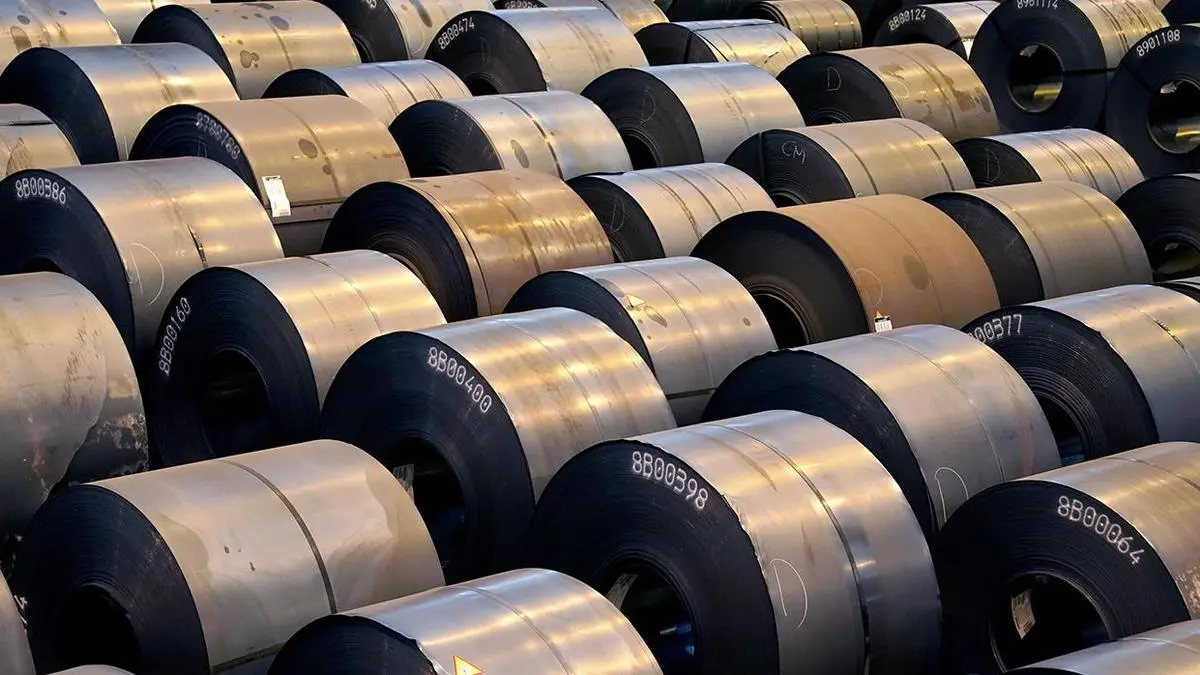
Study calls for duty rationalisation, arguing that reducing import barriers would yield multiple strategic benefits.
| Photo Credit:
Vincent West
The increasing input costs could disrupt the country’s manufacturing goals, despite forecasts indicating that domestic aluminium demand will rise to 8.3 million tonnes by 2030, up from the current 5.3 million tonnes, a recent study has said.
The study released by CUTS International — a think tank — comes at a crucial turning point for India’s industrial growth, highlighting how the current import duty structure is inadvertently constraining MSMEs — the very enterprises that anchor the country’s manufacturing value chain and are indispensable to realising the vision of Viksit Bharat 2047.
The study further said that the existing duty framework maintains higher domestic aluminium prices compared to international standards, putting Indian manufacturers at a competitive disadvantage.
This pricing gap particularly impacts sectors experiencing rapid growth — construction, renewable energy infrastructure, electric vehicles and electronics — all of which require substantial aluminium inputs, it said.
It further called for duty rationalisation, arguing that reducing import barriers would yield multiple strategic benefits.
Lower input costs would enable India’s 3,500 aluminium MSMEs to compete effectively against duty-free finished imports under FTAs, expanding their market share in extrusions, castings and fabricated products, it said.
Enhanced MSME competitiveness would create jobs in labour-intensive downstream sectors and position India to capture higher-value export markets, moving beyond bulk primary metal sales.
Rationalising aluminium duties represents not merely a sectoral adjustment but a strategic imperative for national industrial policy, it said.
By addressing cost structures that currently constrain MSMEs, policymakers can unleash the full potential of India’s aluminium value chain, driving employment, innovation, and economic growth across industrial clusters from Odisha to Gujarat, from Tamil Nadu to Maharashtra.
Published on November 30, 2025

