

US tariffs to pose short-term hurdles for India’s electronics and manufacturing sector
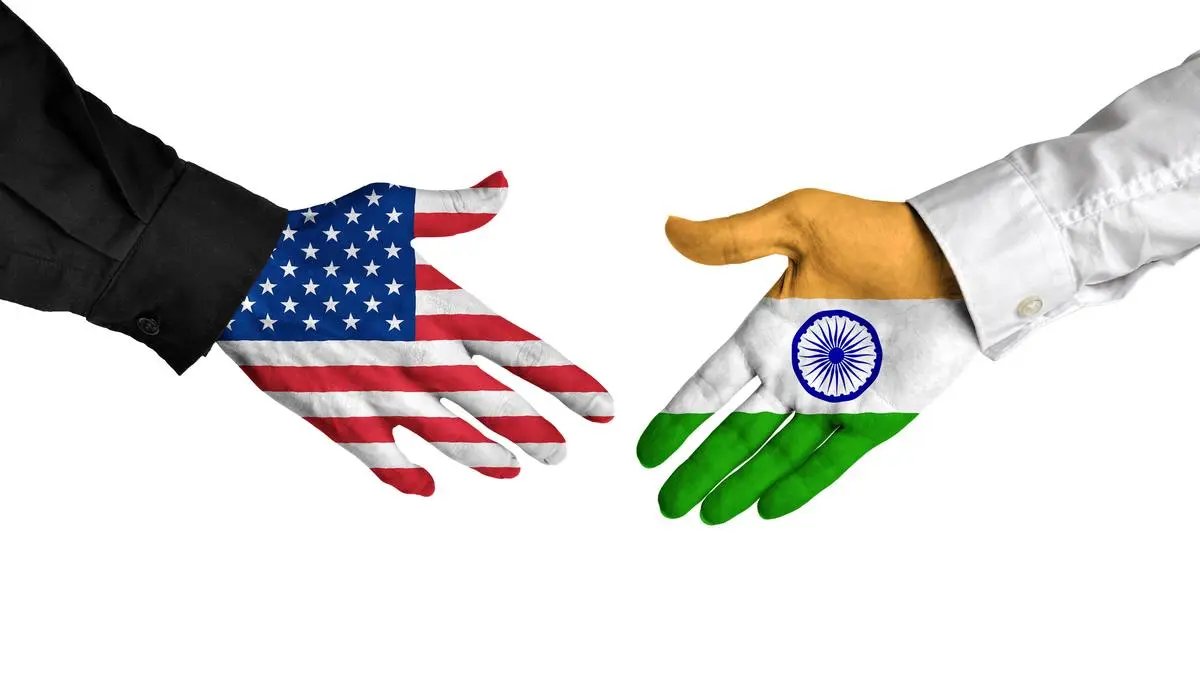
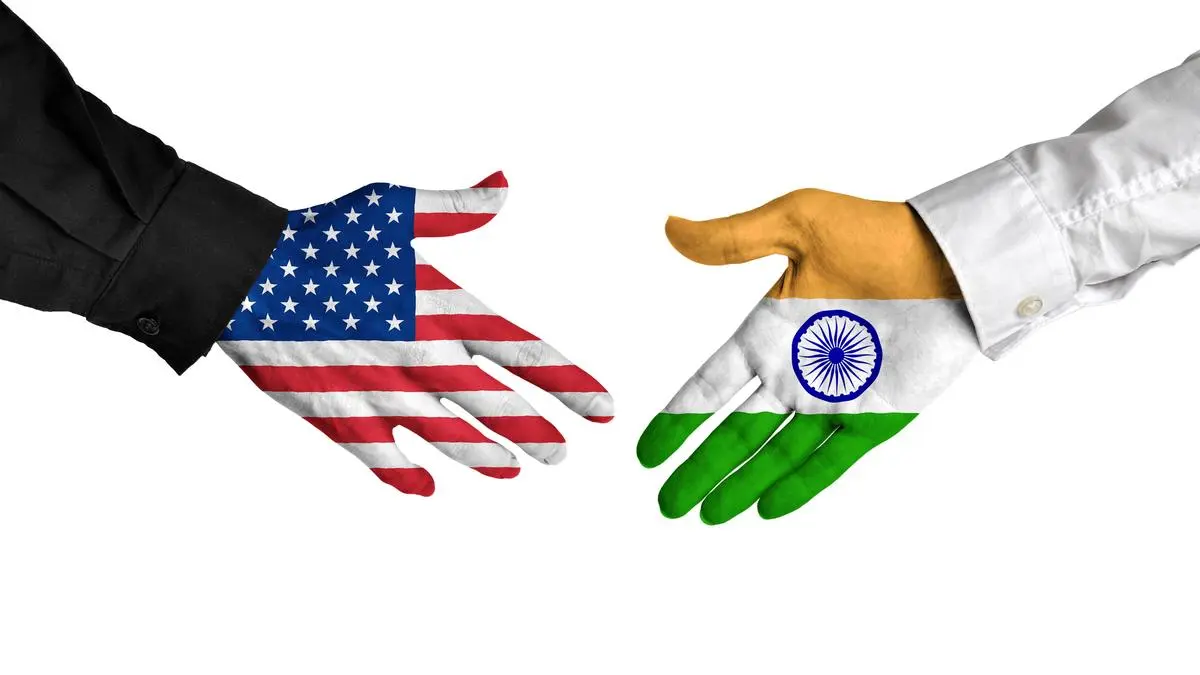
Industry stakeholders said the announcement could dent price competitiveness and disrupt supply chain
| Photo Credit:
Kagenmi
India’s electronics and manufacturing sector will face short-term challenges due to the 25 per cent tariff imposed by the US on Indian goods. Industry stakeholders said the announcement could dent price competitiveness and disrupt supply chain at a time when investment has been strong, driven by strategic alignment between the two economies.
Ashok Chandak, President of India Electronics and Semiconductor Association (IESA) and SEMI India, said, “India does not have any major advantage compared to other Asian countries anymore if 25% tariff, above baseline 10%, is continued.”
Similarly, Kunal Chaudhary, Tax Partner, EY India, said, “These tariffs could cause temporary uncertainty for cross-border investors and OEMs evaluating India as an export base.”
Despite the concerns, experts also viewed the development as a chance to deepen India’s competitiveness through accelerated infrastructure execution. The situation underlines the urgency for India’s electronics sector to diversify export markets, deepen domestic markets, develop india brands and products, and move up the value chain to reduce dependency on price-sensitive, tariff-exposed exports.
It also gives India a chance to reduce exposure to risks and emerge as a dependable, cost-effective alternative in the global manufacturing landscape, said Chaudhary.
“As India does not make much semiconductors, it won’t be affected in the short term. We hope that the ongoing final trade negotiations will create some positive outcome in the next few weeks or months as both countries may want to find a good balance,” said Chandak.
Until now, the electronics sector has played a prominent role in India’s manufacturing sector with firms like PwC estimating a growth of $160 billion in the sector by 2030 just by mobiles and wearables.
In Q2 of this year, India even beat China as the top source of smartphone shipments into the US, reported Canalys of Omdia firm. With the tariff announcement, such metrics are likely to take a hit particularly the prospect of greater iPhone assemblage and exports from India.
More Like This


Published on July 30, 2025

