

Budget 2026 real estate expectations: Credai urges government to launch National Mission on Rental Housing
Ahead of Budget 2026, the Confederation of Real Estate Developers’ Associations of India (CREDAI) has urged the government to launch a national rental housing mission, proposing tax incentives for both developers and tenants.
In its Budget wishlist, the association has also reiterated its demand to revise the area norms and the ₹45 lakh price cap that define affordable housing. Additionally, it has sought an increase in the deduction on home loan interest to ₹5 lakh from the current ₹2 lakh.
“With rapid urbanisation driving migrant inflows, the organised rental housing segment remains underdeveloped. Credai recommends establishing a National Rental Housing Mission to develop large-scale affordable rental stock in tier-1 and tier-2 cities through fiscal incentives for developers, tax relief for tenants, and institutional participation. This initiative will formalise the rental market, curb informal settlements, support workforce mobility, and create a sustainable investment class without significant budgetary outlay,” the realtors’ association said in a statement.
Credai urges government to revise affordable housing definition
The current affordable housing definition, unchanged since 2017, restricts units to 60 sq. m. in metros and 90 sq. m. in non-metros, with a ₹45 lakh value cap that no longer aligns with escalated land and construction costs, it said.
Also Read: Budget 2026 wishlist: Homebuyers urge government to cap affordable housing prices, impose penalties for project delays
Multiple inconsistent definitions across schemes (PMAY, RBI, NHB, RERA) create administrative complexity. CREDAI proposes revising carpet area norms to 90 sq. m. in metros, and 120 sq. m. in non-metros; removing the value threshold entirely; and harmonising definitions with the harmonized list of infrastructure sub-sectors. This area-based approach will expand viable supply in urban centres, simplify compliance, and support greater employment and economic activity, it said.
Rationalise housing loan interest deduction limits
The existing ₹2 lakh cap on housing loan interest deduction has remained unchanged for over a decade and no longer reflects today’s higher property prices, loan sizes, and interest rates.
In most urban markets, the annual interest outgo for middle-income homebuyers exceeds ₹4–6 lakh, significantly diluting the benefit. Credai recommends removing the cap for the first self-occupied residential property and extending the deduction to the new tax regime to ensure parity, it said.
Also Read: Budget 2026 expectations: Experts push for a housing credit passport to speed up home loan processing for homebuyers
“Appropriate safeguards, such as limiting the benefit to owner-occupied and first homes, can prevent misuse. This reform will improve affordability, enhance disposable income, stimulate housing demand, and align fiscal incentives with the objective of promoting home ownership,” Credai said.
Establish a credit guarantee scheme for affordable housing
Credai has proposed setting up of a dedicated Credit Guarantee Scheme, modelled on CGTMSE, covering affordable housing loans (up to 80–90% of property value) and home improvement loans.
“Given the low NPA profile of housing loans, this mechanism will de-risk lenders, expand credit outreach to EWS/LIG segments, and promote financial inclusion with negligible fiscal exposure. The proposed scheme will be self-sustaining, with costs recovered through a nominal guaranteed fee from borrowers and will therefore entail no upfront fiscal burden on the government budget,” it said.
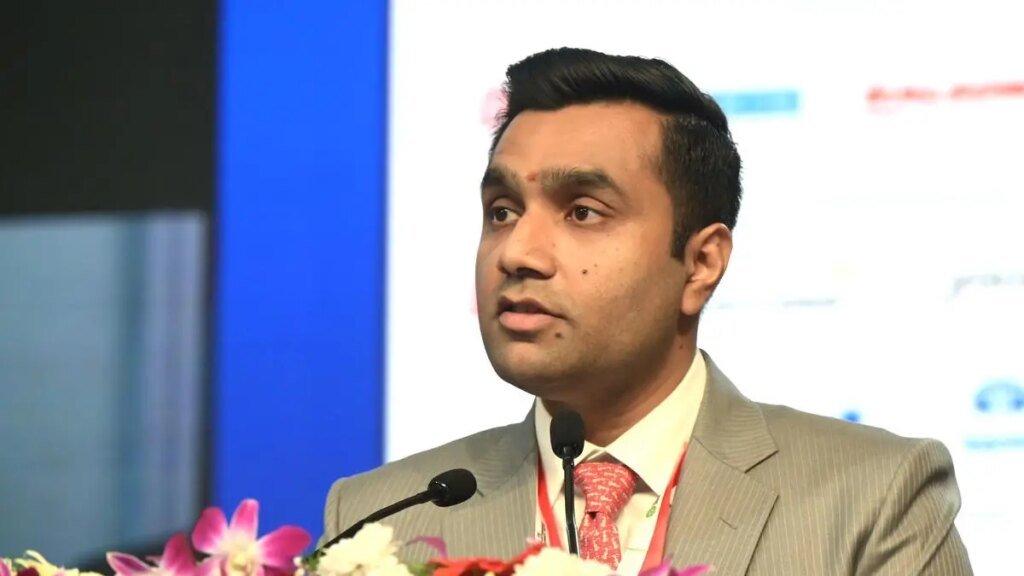
“Housing remains a critical engine of economic growth, employment generation, and urban transformation. To keep pace with India’s rapid urbanisation, it is vital to strengthen affordability, expand access to formal finance, and develop a robust rental housing ecosystem. Targeted measures such as these will unlock investment, reinforce homebuyer confidence, improve financial inclusion, and enable sustained housing supply,” said Shekhar Patel, president, Credai.

