

Karnataka HC lifts bike taxi ban, clears path for resumption of services across state
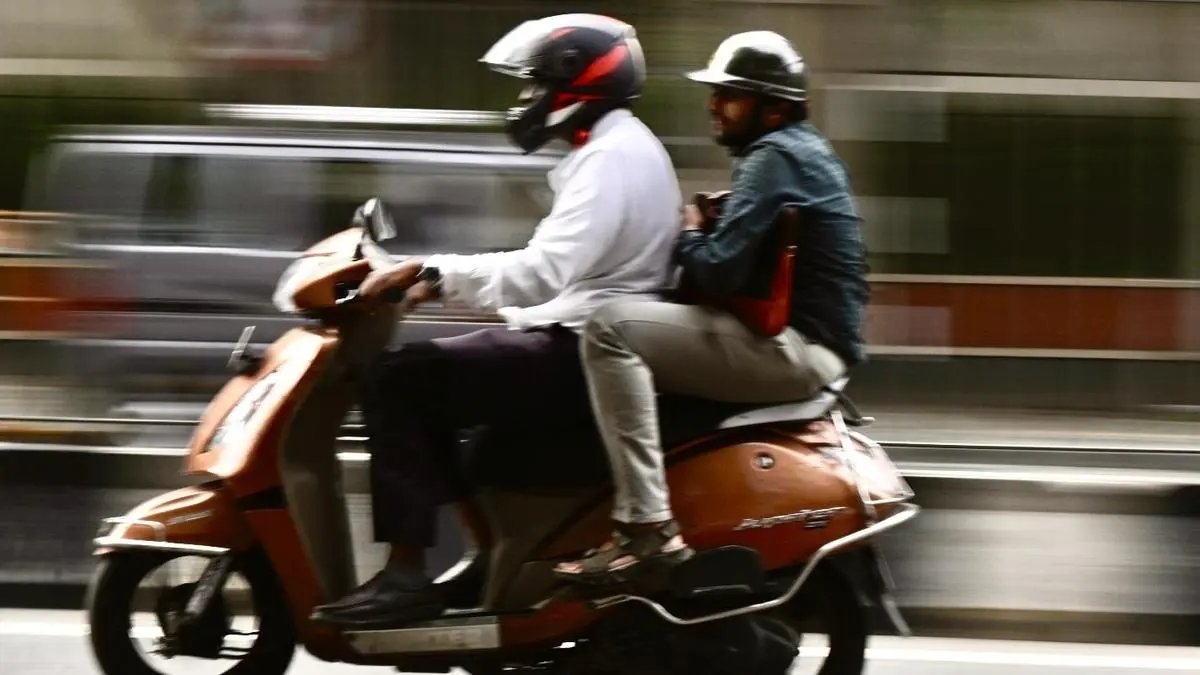
The Karnataka High Court on Friday lifted the ban on bike taxis, clearing the way for services to resume across the state and providing relief to thousands of riders and drivers who depend on the platform for daily commuting and livelihoods.
A division bench comprising Chief Justice Vibhu Bakhru and Justice CM Joshi set aside an earlier single-bench order of April last year that had effectively halted bike taxi operations in the state.
In its ruling, the High Court directed bike taxi operators to file applications to register two-wheelers as transport vehicles or taxis. The court clarified that while the final authority to approve such applications rests with the state government, authorities cannot bar any vehicle from applying for registration solely on the grounds that it is a motorcycle.
Bike taxis have emerged as a popular last-mile mobility option in major Indian cities but have also faced regulatory pushback. Similar restrictions have been imposed in cities such as New Delhi and Mumbai in the past, reflecting ongoing ambiguity around their legal and regulatory status.
At the national level, the Centre revised the Motor Vehicles Aggregator Guidelines 2020 in July to allow bike taxi operations. However, the guidelines leave it to individual state governments to permit aggregation of bike taxis. States may also impose fees on aggregators for issuing permits for private bike taxi operations.
Ride-hailing platforms welcomed the Karnataka High Court’s decision. An Uber spokesperson said the ruling recognises bike taxis as a legal mode of passenger transport in Karnataka and described them as a “vital mobility lifeline” for Indian cities. The spokesperson added that bike taxis offer an affordable and convenient way to navigate traffic and provide livelihood opportunities for lakhs of drivers. Uber said it looks forward to engaging with the state government to operationalise the ecosystem.
Rapido also hailed the verdict, calling it a milestone for urban mobility in Karnataka. The company said the decision legitimises bike taxis as a safe, affordable and efficient commuting option and will create meaningful livelihood opportunities for thousands of youth. Rapido said it remains committed to complying with all applicable regulations and working closely with the Karnataka government to strengthen the mobility ecosystem.
However, the ruling has drawn strong opposition from traditional auto-rickshaw and taxi unions. Tanveer Pasha, president of the Auto Union Federation, said the verdict has caused “great disappointment” among auto and taxi drivers. He said the government should immediately file a writ petition against the order and added that unions would hold a meeting to decide their next course of action.
The ruling is likely to have significant implications for urban mobility in Karnataka, potentially reshaping last-mile connectivity while also intensifying competition between app-based aggregators and traditional transport operators.
Published on January 23, 2026

