

EU-India trade deal possible by end of January, says Germany’s Chancellor Merz
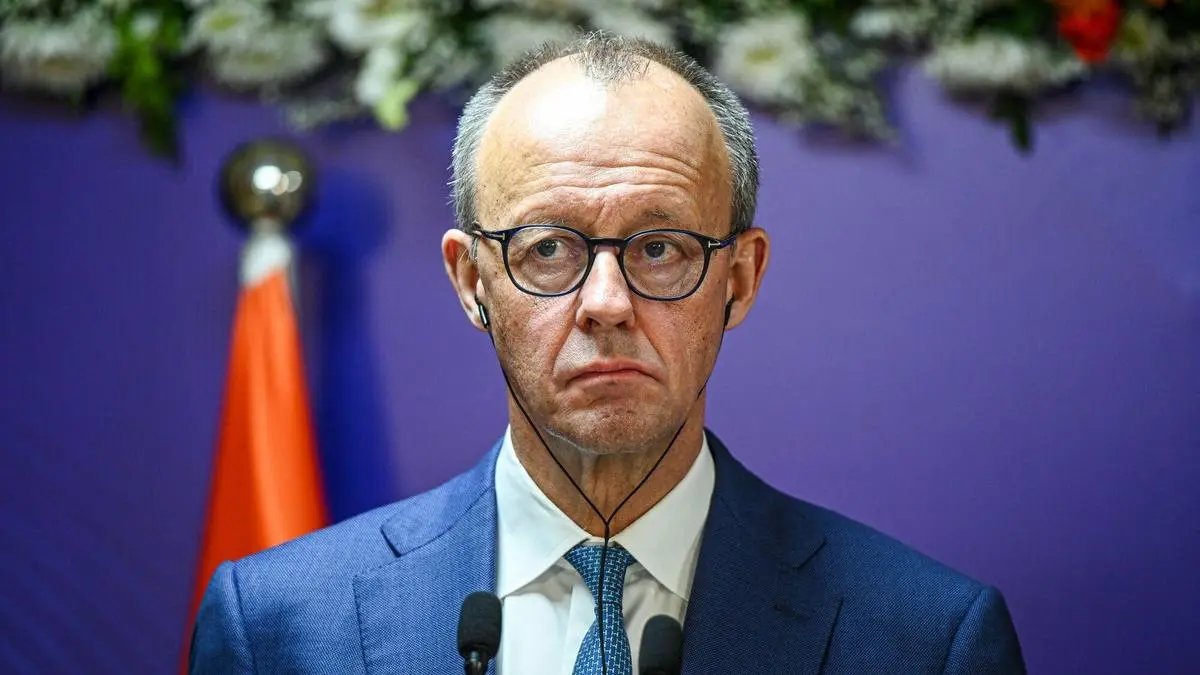

Friedrich Merz, Germany’s chancellor, during a joint press statement with Narendra Modi, India’s prime minister, not pictured, in Ahmedabad, Gujarat, India, on Monday, Jan. 12, 2026.
| Photo Credit:
Bloomberg
German Chancellor Friedrich Merz floated the possibility that the European Union and India could sign a free trade agreement as early as the end of this month, after he met Indian Prime Minister Narendra Modi on Monday.
The presidents of the European Commission and European Council would travel to India at the end of January to sign the agreement if it is finalised by then, Merz said during a visit to the western Indian city of Ahmedabad.
“In any case, they will take another major step forward to ensure that this free trade agreement comes into being,” Merz said during his first trip to India since becoming chancellor.
Negotiations had previously been expected to conclude by the end of this year. However, according to German government sources, there are high expectations that a deal could be signed at the end of January after “very intensive” talks between Merz and Modi.
Indian Trade Minister Piyush Goyal, speaking at a separate event in the western state of Gujarat, said an agreement was almost at its final stages.
‘Renaissance of unfortunate protectionism’
Merz said the world is experiencing “a renaissance of unfortunate protectionism” that harms Germany and India.
He did not name any countries. The United States has been pressuring India with tariffs to end its purchases of Russian oil and gas, which Washington and the European Union argue is used to fund the war in Ukraine.
Chinese export controls on minerals used in areas such as autos caused months of supply chain disruption last year due to the U.S.-China trade war, affecting German carmakers.
Beijing also slapped restrictions on some semiconductors widely used in the car industry after the Dutch government’s decision to seize control of Chinese-owned chipmaker Nexperia.
For the EU, signing a deal with India would follow the bloc’s go ahead on Friday for concluding a deal with South America’s Mercosur group and would mark another step in creating its own trade networks as the United States shakes up global trade and would help reduce reliance on China.
In particular, Germany wants to work more closely on security issues with India to reduce the latter’s reliance on Russia, Merz said.
The countries signed a memorandum of understanding to that effect, in addition to agreements on critical minerals, the health sector and an artificial intelligence innovation centre.
“The MoUs being signed today on all these issues will give new momentum and strength to our cooperation,” Modi said at a joint news conference with Merz.
India still works closely with Russia on security policy, and much of its military equipment is made in Russia. It is also one of the largest buyers of Russian gas and oil alongside China.
Germany is pushing the Indian government to ensure it prevents Indian companies from circumventing sanctions on Russia and reduces its energy imports from Russia – demands India has so far rejected.
Published on January 12, 2026

