

AI to add $1.7 Trillion to India’s economy by 2035: Govt
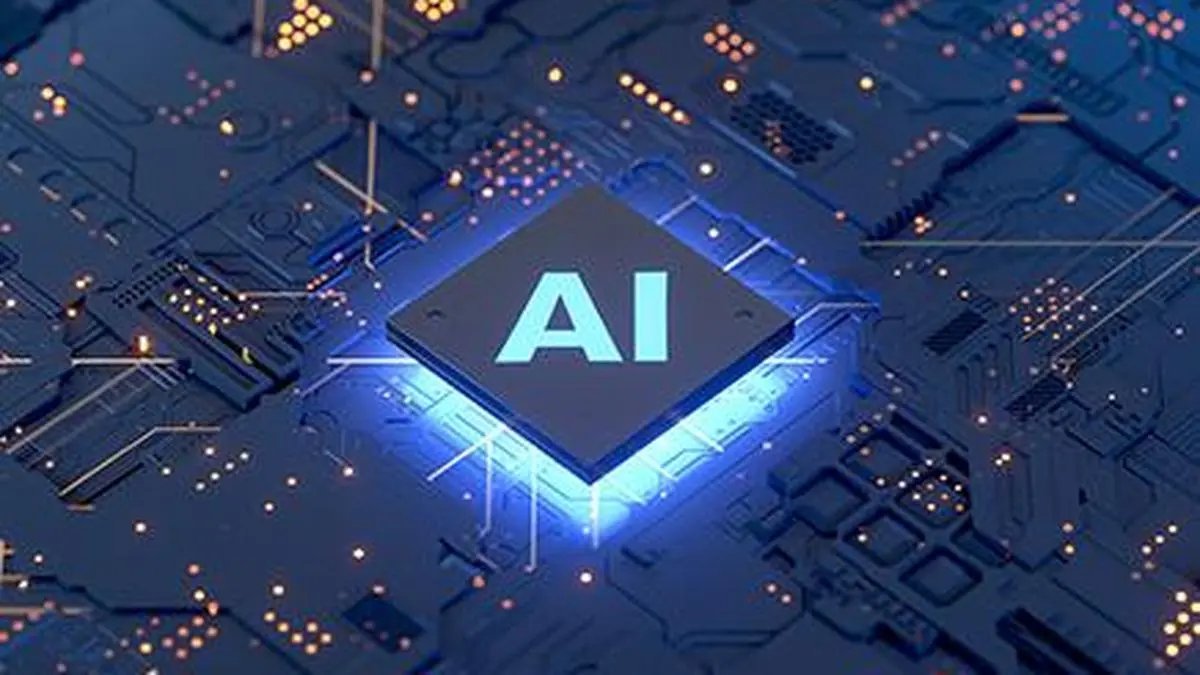
Artificial Intelligence (AI) could add as much as $1.7 trillion to India’s economy by 2035, positioning the technology as one of the country’s most powerful growth engines over the next decade, according to government estimates.
The projection comes as India ramps up public investment and policy support for AI through initiatives such as the IndiaAI Mission, which has been allocated more than ₹10,300 crore over five years to build computing infrastructure, support startups, develop indigenous AI models, and expand skilling programmes, government said in a Year-Ender note on Tuesday.
The economic impact will be driven by AI adoption across sectors including healthcare, agriculture, manufacturing, financial services, education, governance, and climate services, where automation and data-driven decision-making are already improving productivity and service delivery.
India’s technology sector currently employs over six million people, and government data suggests AI will create new categories of jobs even as it transforms existing roles, it said.
Industry estimates indicate the country’s AI talent pool could more than double to over 12.5 lakh professionals by 2027, reflecting growing demand for skills such as data science, AI engineering, and analytics.
The government has also launched large-scale reskilling initiatives. “More than 18.5 lakh candidates have enrolled on the FutureSkills PRIME platform, with over 3.37 lakh professionals already completing courses in AI and other emerging technologies, according to official figures,” it said.
A key pillar of India’s strategy is building affordable AI infrastructure. Under the IndiaAI Mission, the country has expanded its capacity from an initial target of 10,000 Graphics Processing Units (GPUs) to 38,000 GPUs, made available to startups and researchers at subsidised rates.
Officials say this will help reduce entry barriers for innovation and accelerate domestic AI development. The government is also focusing on inclusion, with AI-based tools being deployed in Indian languages to expand access to digital services. Platforms such as Bhashini and BharatGen, India’s government-funded multilingual AI model, aim to ensure that the benefits of AI extend beyond urban, English-speaking users.
In a separate roadmap, NITI Aayog has highlighted the potential of AI to support India’s 490 million informal workers by improving access to skilling, healthcare, financial services, and real-time advisory tools, particularly through voice-based and mobile-first technologies.
Published on December 30, 2025

