


Rubber Board bets on technology initiatives to cut costs, boost output
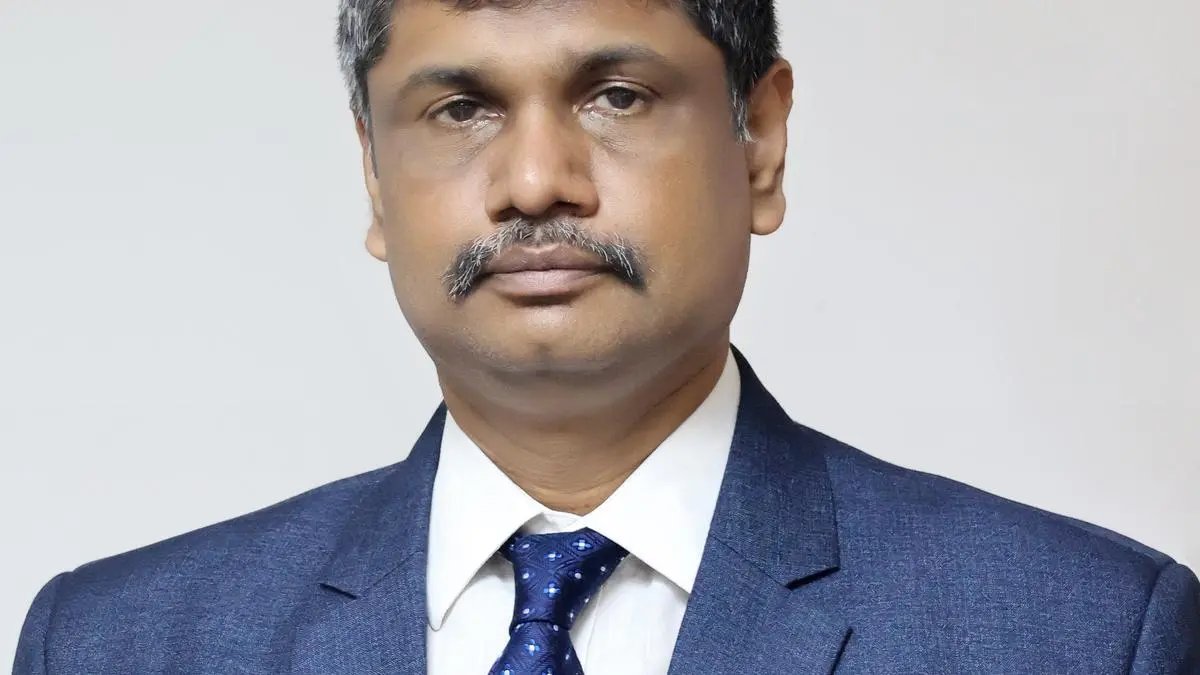

M Vasanthageshan, Executive Director of the Rubber Board
In a bid to improve profitability and sustainability in the natural rubber sector, the Rubber Board has rolled out a series of technology-driven and market-focused initiatives aimed at reducing production costs, increasing productivity, and lowering India’s dependence on imports.
M Vasanthageshan, Executive Director of the Rubber Board, said that the Rubber Research Institute of India is in the advanced stages of finalising recommendations for drone-based spraying to control major diseases such as Abnormal Leaf Fall, Colletotrichum Circular Leaf Spot and Corynespora Leaf Disease. The move is expected to significantly reduce labour dependence and operational costs, two key pain points for rubber growers.
Another cost-cutting intervention under evaluation is Nano Copper Oxychloride blended oil for spraying, which has shown encouraging results under in vitro conditions. If field trials are successful, the technology could further bring down expenditure on plant protection.
However, the adoption of preventive disease management remains low among small growers due to high spraying costs and acute labour shortages in the plantation sector, he said.
EUDR opportunity
On the market side, the Rubber Board is positioning Indian natural rubber to tap into the growing demand for sustainable and ethically sourced raw materials in the European Union. Growers complying with the EU Deforestation Regulation (EUDR) could potentially secure price premiums. To support this, the Board has launched Bharat Sustainable Natural Rubber, an online platform aimed at creating a transparent, traceable and EUDR-compliant supply chain.
The Rubber Product Incubation Centre at RRII has also developed RubFab, a natural rubber latex-based compound for rain guarding. The product is expected to replace conventional plastic rain guards, sharply reduce costs, and offer environmental and worker safety benefits.
India’s natural rubber imports during 2024-25 crossed ₹9,000 crore, underlining the supply-demand gap in domestic production. To address this, ongoing clonal trials at multiple Rubber Research stations indicate the possible introduction of high-yielding, climate-resilient rubber clones within the next two years. The development could improve farm-level productivity and reduce import dependence.
To bring idle assets into the production cycle, the Rubber Board is also developing INR Konnect, a digital platform designed to link growers with untapped plantations and agencies willing to adopt them under viable economic models. The Board will verify and certify plantation details, while the platform will also offer capacity-building modules for tapping and plantation management. A technical partner has been identified and development work is progressing.
Published on December 30, 2025

