
Productivity focus can help India unleash new White Revolution
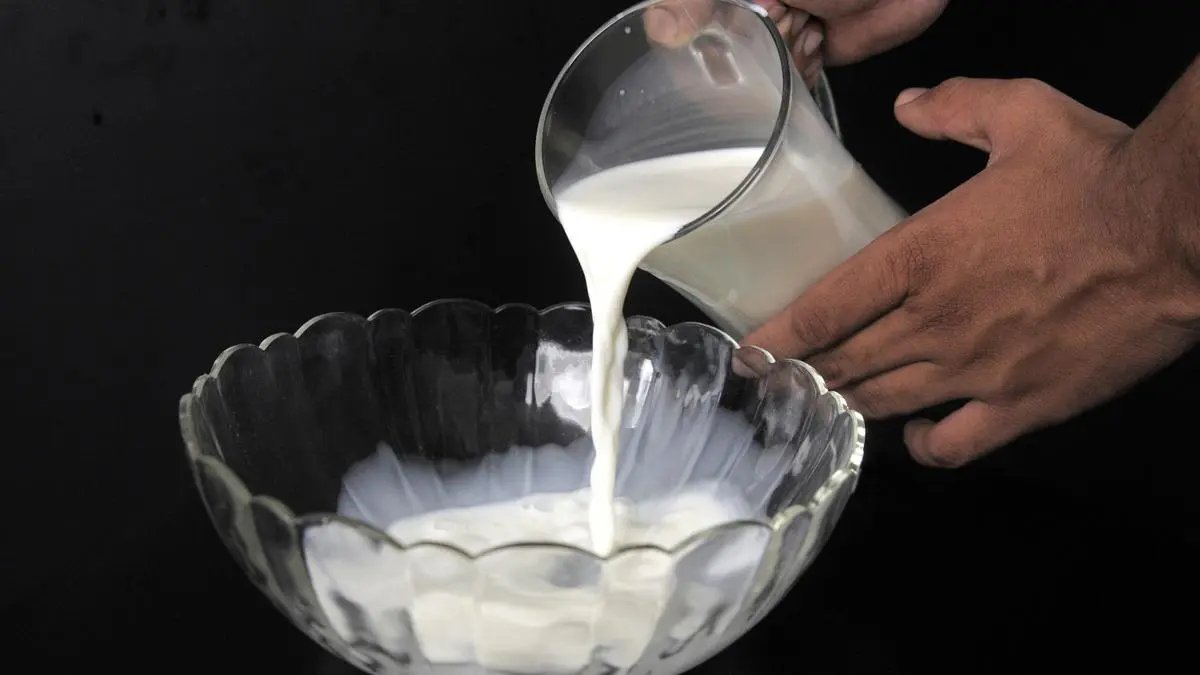
India celebrates its National Milk Day today, commemorating the birth anniversary of Dr Verghese Kurien. But even as we celebrate his legacy as the Father of our White Revolution, we need to draw on his vision to inspire a second similarly transformative movement that fuels the country’s dairy sector to even greater heights.
Through sustained institutional efforts, India evolved from facing milk shortages to becoming the world’s leading producer, now accounting for about 25 per cent of global supply.
The country’s annual milk production at Independence was 21 million tonnes a year. Per capita availability in 1950-51, meanwhile, was just 124 grams a day. Fast-forward to today and we produce over 200 million tonnes of milk a year. What’s more per capita availability has surged to 471 gm a day, higher than the global average of 322 gm.
The structural progress made in previous decades enabled India to secure its milk supply. Today, the imperative is to build on that progress by shifting attention toward productivity growth.
Impressive numbers
India’s headline milk production numbers are impressive to be sure. There’s no denying that the White Revolution has been a resounding success. But that’s largely because the country is home to the largest cattle population in the world. On a per animal basis, India’s milk yields are among the lowest in the world.
Cows in India yield 4.87 kg of milk a day per animal, two-thirds that of the global average of 7.18 kg per day per animal. Addressing this gap requires a productivity-centred White Revolution 2.0 anchored in nutrition, genetics, and scientific animal care.
Nutrition is the most critical starting point. Today, we have high animal operations but low milk yield. We need to achieve more from less that is, higher milk yield per animal to enhance farmers’ incomes. It’s not about the number of cattle a farmer owns, but the productivity of each animal. To reduce pressure on land for fodder, we must focus on improving genetics, management practices, and nutrition. This will help us use land more efficiently while ensuring better fodder quality and availability. Moving in this direction requires the adoption of advanced technologies such as embryo transfer, sexed semen, and balanced nutrition.
Cattlefeed output a tenth of demand
India produces about 7.5 million tonnes of cattle feed against a requirement of nearly 70 million tonnes. The country also faces serious shortages of both green and dry fodder. Silage offers a reliable alternative. The USDA notes that good quality silage can meet up to half of a cow’s energy needs. Feed strategies must also be more scientific, adapting to lactation stages, breed characteristics, and local climatic conditions.
Genetics is the second lever. Crossbred cows deliver significantly higher yields and states that have increased the share of crossbred cattle, such as Punjab, have seen meaningful gains.
Modern breeding tools including embryo transfer, sex-sorted semen and artificial insemination can accelerate genetic improvement and increase the proportion of female calves that eventually join the milking herd.
The third pillar is better cattle management and healthcare. Routine veterinary care, vaccination, and early intervention are essential in a landscape where diseases such as lumpy skin disease can erode productivity quickly.
Digitisation reshaping cattle care
Comfort matters too. Managing heat stress during the summer months, ensuring protection in winter, and maintaining hygiene, well-ventilated sheds directly influence output. Digitisation is beginning to reshape this area. It can similarly reshape cattle care. Consistent data on nutrition, health and behaviour can help farmers anticipate risks. Even basic predictive analytics can identify problems early and prevent losses.
National Milk Day is a reminder of how far the country has come, but it must also be a catalyst for where it goes next. The White Revolution unlocked India’s dairy potential once. Cracking the productivity puzzle can unlock even greater levels of milk production at a time when India’s economic growth and rising incomes are fueling demand not just for milk but value-added dairy products.
India’s milk security has been hard-earned. Let us honour that journey and Dr. Kurien not just by remembering his achievements, but by channelling his vision to build a more efficient, resilient, and future-ready dairy sector.
The author is CEO – Animal & Aqua Feed Business, Godrej Agrovet Limited
More Like This
Published on November 26, 2025

