

Treated used-water could unlock big economic potential, jobs: CEEW study
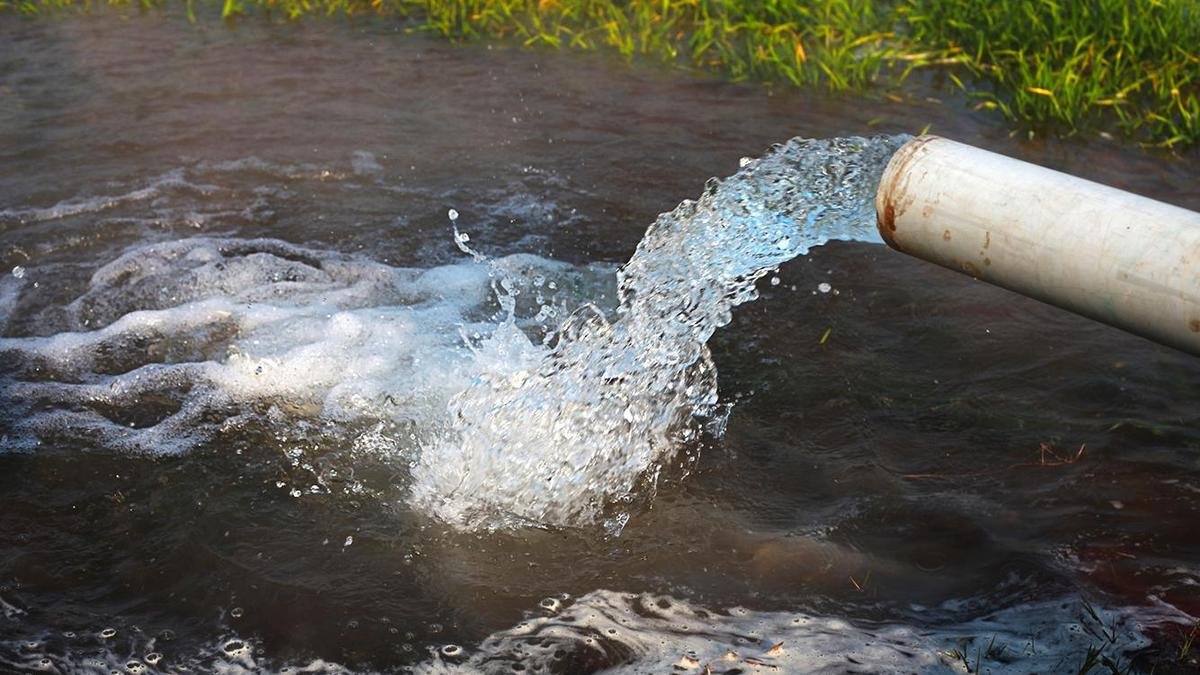

With water demand rising rapidly, treated used-water offers a practical, scalable solution to close the supply–demand gap. Under new Liquid Waste Management Rules 2024, bulk users such as industries and utilities must treat and reuse at least 20 per cent of wastewater, rising to 50 per cent by 2031.
| Photo Credit:
istock.com
India’s treated used-water economy could unlock up to ₹3.04 lakh crore ($35 billion) in economic opportunity by 2047, says a study released by Delhi-based think-tank Council on Energy, Environment and Water (CEEW).
This combines ₹72,597 crore ($8.35 billion) in annual market revenue with ₹1.56–2.31 lakh crore ($18–27 billion) in infrastructure investment, says the report titled, Financing for Treated Used Water Reuse in India.
Rising water demand
With water demand rising rapidly, treated used-water offers a practical, scalable solution to close the supply–demand gap. Under new Liquid Waste Management Rules 2024, bulk users such as industries and utilities must treat and reuse at least 20 per cent of wastewater, rising to 50 per cent by 2031.
The shift adds regulatory weight to a growing market that can simultaneously reduce freshwater extraction; boost local resilience; and generate employment. The report projected scaling up reuse of treated used water could create over one lakh new jobs across the country by 2047.
National Framework
CEEW’s findings come as the country advances its National Framework on Safe Reuse of Treated Water, offering policymakers a data-backed roadmap to finance and scale reuse across cities.
India could reuse 31,265 million m³ of treated used-water in 2047 — enough to meet a significant portion of industrial and irrigation demand — if backed by right mix of financing, regulation, and infrastructure.
Under-utilised
At present, it treats only about 28 per cent (20.24 billion litres per day) of used water. More than 80 per cent of cities either do not reuse treated water or lack functional reuse infrastructure. Urban India generates more than 72 billion litres of used water per day, yet much remains untreated or under-utilised.
No more a liability
Shalu Agrawal, Director of Programmes, CEEW, said used-water must be treated as an asset, not a liability. “Every litre reused is an investment in our cities’ resilience; industries’ competitiveness; and energy security. Treated used-water is not the end of a cycle, it’s the beginning of a circular economy for urban India.”
Circular solutions
By financing circular solutions today, through public–private partnerships, municipal green bonds, and industry co-investments, we can convert what is considered waste into wealth for a sustainable future., Agrawal said.
For instance, Surat currently supplies tertiary-treated used-water to industries at ₹36 per kilolitre — slightly lower than freshwater rates — helping the city generate over ₹230 crore in revenue between 2014 and 2021.
Reuse certificates
Water Reuse Certificates may be issued as a market-based mechanism allowing bulk users exceeding targets to trade credits with those falling short. This will monetise efficiency gains and create incentives for compliance.
Nitin Bassi, Fellow, CEEW, said scaling treated-used-water reuse is one of the most practical ways to water-secure India’s cities. Urban local bodies must take the lead by developing long-term city plans; diversifying funding; and setting fair and cost-recovery tariffs.
Published on November 19, 2025

