







• Home  
  • How Digital Student Loan Platforms Could Democratize Access to Higher Education
- NextGen Innovators

How Digital Student Loan Platforms Could Democratize Access to Higher Education

How Digital Student Loan Platforms Could Democratize Access to Higher Education Introduction Access to higher education should depend on talent and ambition—not paperwork. Yet for millions of students, financing an education remains one of the biggest barriers to academic and professional growth. While education loans are designed to bridge this gap, the process of obtaining them often introduces new challenges. Lengthy applications, excessive documentation, delayed approvals, and limited guidance can turn what should be a straightforward financial process into a stressful and time-consuming experience. For many students, these delays arrive at the worst possible moment—during admission deadlines, fee payments, and critical academic decisions. As financial services continue their digital transformation, a new generation of student-focused lending platforms is emerging. By combining automation, digital onboarding, and intelligent eligibility assessments, these platforms aim to make education financing faster, more transparent, and more accessible. The Education Financing Gap The cost of higher education continues to rise across many institutions. At the same time, students and families often face difficulties securing funding quickly enough to meet admission timelines. Common challenges include: Complex application procedures Excessive documentation requirements Slow approval processes Limited transparency Difficulty understanding eligibility criteria Lack of access for students in remote locations These barriers create friction in a system that should ideally support educational advancement rather than delay it. For many students, the problem is not a lack of available financing—it is navigating the process required to access it. Why Traditional Loan Processes Feel Outdated Many education loan systems still rely on workflows designed for an earlier era. Applications often involve: Multiple physical visits Manual form submissions Repeated verification requests Long approval cycles Limited visibility into application status These processes increase operational costs for lenders while creating uncertainty for applicants. Students frequently struggle to understand: Which loans they qualify for What documents are required How long approvals will take What repayment terms apply The result is confusion, delays, and unnecessary stress during an already important life decision. A Digital-First Lending Experience The proposed Student Loan Application System introduces a centralized digital platform designed specifically for education financing. Instead of relying on fragmented manual workflows, students can complete the entire process online. Core features include: Online Loan Applications Students can apply from any location through a web portal or mobile application. Instant Eligibility Checks Automated assessments provide quick insights into qualification criteria before lengthy applications begin. Digital Document Uploads Required documentation can be submitted electronically rather than through physical paperwork. Real-Time Application Tracking Users receive visibility into every stage of the approval process. Secure Processing Digital infrastructure improves transparency while protecting sensitive financial information. The result is a more efficient experience for both students and lending institutions. Making Education Financing More Accessible One of the strongest aspects of the model is its focus on accessibility. Students from smaller cities and rural regions often face additional obstacles when accessing financial services. Digital platforms help eliminate geographic limitations by allowing users to: Apply remotely Access guidance online Track progress in real time Communicate digitally with support teams This broader accessibility supports financial inclusion and helps ensure that educational opportunities are not limited by location. The Role of AI in Loan Processing The proposal highlights the use of AI-powered eligibility assessment systems as a key resource within the platform. Such systems can help: Reduce Processing Time Automated evaluations accelerate initial application reviews. Improve Consistency Standardized assessments reduce subjective decision-making. Lower Operational Costs Automation minimizes manual workload for financial institutions. Enhance User Experience Students receive faster feedback regarding qualification status. As lending platforms evolve, artificial intelligence may play an increasingly important role in streamlining education financing workflows. Building a Sustainable FinTech Business The platform’s business model combines several complementary revenue streams. These include: Loan Processing Fees Revenue generated from completed applications. Service Charges Additional fees for specialized support or premium features. Bank Partnership Commissions Financial institutions compensate the platform for successful referrals. Premium Services Advanced offerings such as expert guidance and accelerated processing. This diversified approach reduces reliance on any single source of revenue while supporting long-term scalability. Strategic Growth Opportunities The proposal outlines a phased expansion strategy. Phase One Pilot deployments across selected colleges and universities. Phase Two Expansion into additional institutions and geographic regions. Phase Three Integration with banks, financial institutions, and government education schemes. Future Expansion International student financing and advanced financial guidance services. This progression allows the platform to validate adoption before pursuing broader market opportunities. Social and Economic Impact Beyond commercial potential, the platform addresses several important societal challenges. Greater Educational Access Students gain easier access to financial support. Reduced Financial Stress Families receive faster clarity regarding financing options. Increased Transparency Applicants better understand application requirements and progress. Digital Transformation Paperless processes reduce administrative inefficiencies. Financial Inclusion Students from diverse backgrounds gain broader access to funding opportunities. These outcomes support wider efforts to improve educational accessibility and economic mobility. Insights & Analysis The most valuable aspect of this platform is not loan processing. Banks already process loans. The real opportunity lies in reducing friction. Financial products often fail to reach intended users because application experiences are unnecessarily complex. Students do not want another financial product—they want clarity, speed, and confidence during critical educational decisions. Platforms that simplify discovery, eligibility assessment, documentation, and communication can create significant value even without becoming lenders themselves. In many ways, the future of education financing may resemble modern digital banking: faster, more transparent, and significantly more user-centric. Conclusion Education remains one of the most important investments individuals can make, yet accessing financing continues to be a challenge for many students. The proposed Student Loan Application System addresses this problem through a digital-first platform that simplifies applications, accelerates eligibility assessments, reduces paperwork, and improves transparency throughout the lending journey. By combining automation, accessibility, and financial institution partnerships, the model offers a scalable approach to modernizing education finance. As digital lending continues to evolve, platforms that remove complexity from student financing could play a critical role in ensuring that educational opportunities remain accessible to ambitious learners regardless of

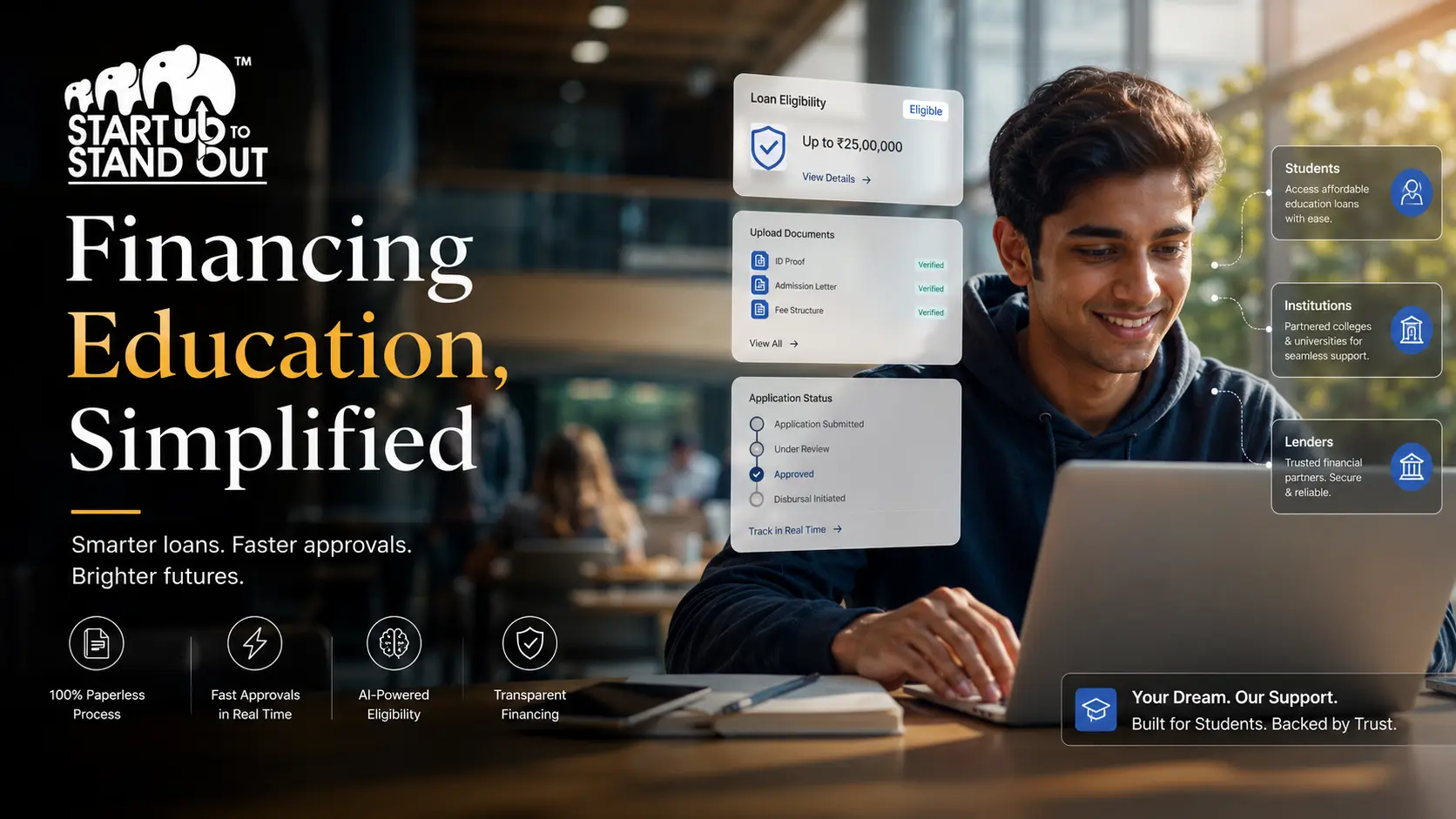
Student using a digital education loan platform to check eligibility, upload documents, and track loan approval status online.

How Digital Student Loan Platforms Could Democratize Access to Higher Education

Introduction

Access to higher education should depend on talent and ambition—not paperwork.

Yet for millions of students, financing an education remains one of the biggest barriers to academic and professional growth. While education loans are designed to bridge this gap, the process of obtaining them often introduces new challenges.

Lengthy applications, excessive documentation, delayed approvals, and limited guidance can turn what should be a straightforward financial process into a stressful and time-consuming experience. For many students, these delays arrive at the worst possible moment—during admission deadlines, fee payments, and critical academic decisions.

As financial services continue their digital transformation, a new generation of student-focused lending platforms is emerging. By combining automation, digital onboarding, and intelligent eligibility assessments, these platforms aim to make education financing faster, more transparent, and more accessible.

The Education Financing Gap

The cost of higher education continues to rise across many institutions.

At the same time, students and families often face difficulties securing funding quickly enough to meet admission timelines.

Common challenges include:

  • Complex application procedures
  • Excessive documentation requirements
  • Slow approval processes
  • Limited transparency
  • Difficulty understanding eligibility criteria
  • Lack of access for students in remote locations

These barriers create friction in a system that should ideally support educational advancement rather than delay it.

For many students, the problem is not a lack of available financing—it is navigating the process required to access it.

Why Traditional Loan Processes Feel Outdated

Many education loan systems still rely on workflows designed for an earlier era.

Applications often involve:

  • Multiple physical visits
  • Manual form submissions
  • Repeated verification requests
  • Long approval cycles
  • Limited visibility into application status

These processes increase operational costs for lenders while creating uncertainty for applicants.

Students frequently struggle to understand:

  • Which loans they qualify for
  • What documents are required
  • How long approvals will take
  • What repayment terms apply

The result is confusion, delays, and unnecessary stress during an already important life decision.

A Digital-First Lending Experience

The proposed Student Loan Application System introduces a centralized digital platform designed specifically for education financing.

Instead of relying on fragmented manual workflows, students can complete the entire process online.

Core features include:

Online Loan Applications

Students can apply from any location through a web portal or mobile application.

Instant Eligibility Checks

Automated assessments provide quick insights into qualification criteria before lengthy applications begin.

Digital Document Uploads

Required documentation can be submitted electronically rather than through physical paperwork.

Real-Time Application Tracking

Users receive visibility into every stage of the approval process.

Secure Processing

Digital infrastructure improves transparency while protecting sensitive financial information.

The result is a more efficient experience for both students and lending institutions.

Making Education Financing More Accessible

One of the strongest aspects of the model is its focus on accessibility.

Students from smaller cities and rural regions often face additional obstacles when accessing financial services.

Digital platforms help eliminate geographic limitations by allowing users to:

  • Apply remotely
  • Access guidance online
  • Track progress in real time
  • Communicate digitally with support teams

This broader accessibility supports financial inclusion and helps ensure that educational opportunities are not limited by location.

The Role of AI in Loan Processing

The proposal highlights the use of AI-powered eligibility assessment systems as a key resource within the platform.

Such systems can help:

Reduce Processing Time

Automated evaluations accelerate initial application reviews.

Improve Consistency

Standardized assessments reduce subjective decision-making.

Lower Operational Costs

Automation minimizes manual workload for financial institutions.

Enhance User Experience

Students receive faster feedback regarding qualification status.

As lending platforms evolve, artificial intelligence may play an increasingly important role in streamlining education financing workflows.

Building a Sustainable FinTech Business

The platform’s business model combines several complementary revenue streams.

These include:

Loan Processing Fees

Revenue generated from completed applications.

Service Charges

Additional fees for specialized support or premium features.

Bank Partnership Commissions

Financial institutions compensate the platform for successful referrals.

Premium Services

Advanced offerings such as expert guidance and accelerated processing.

This diversified approach reduces reliance on any single source of revenue while supporting long-term scalability.

Strategic Growth Opportunities

The proposal outlines a phased expansion strategy.

Phase One

Pilot deployments across selected colleges and universities.

Phase Two

Expansion into additional institutions and geographic regions.

Phase Three

Integration with banks, financial institutions, and government education schemes.

Future Expansion

International student financing and advanced financial guidance services.

This progression allows the platform to validate adoption before pursuing broader market opportunities.

Social and Economic Impact

Beyond commercial potential, the platform addresses several important societal challenges.

Greater Educational Access

Students gain easier access to financial support.

Reduced Financial Stress

Families receive faster clarity regarding financing options.

Increased Transparency

Applicants better understand application requirements and progress.

Digital Transformation

Paperless processes reduce administrative inefficiencies.

Financial Inclusion

Students from diverse backgrounds gain broader access to funding opportunities.

These outcomes support wider efforts to improve educational accessibility and economic mobility.

Insights & Analysis

The most valuable aspect of this platform is not loan processing.

Banks already process loans.

The real opportunity lies in reducing friction.

Financial products often fail to reach intended users because application experiences are unnecessarily complex. Students do not want another financial product—they want clarity, speed, and confidence during critical educational decisions.

Platforms that simplify discovery, eligibility assessment, documentation, and communication can create significant value even without becoming lenders themselves.

In many ways, the future of education financing may resemble modern digital banking: faster, more transparent, and significantly more user-centric.

Conclusion

Education remains one of the most important investments individuals can make, yet accessing financing continues to be a challenge for many students.

The proposed Student Loan Application System addresses this problem through a digital-first platform that simplifies applications, accelerates eligibility assessments, reduces paperwork, and improves transparency throughout the lending journey.

By combining automation, accessibility, and financial institution partnerships, the model offers a scalable approach to modernizing education finance.

As digital lending continues to evolve, platforms that remove complexity from student financing could play a critical role in ensuring that educational opportunities remain accessible to ambitious learners regardless of their financial circumstances.

The future of education financing may not depend on creating more loans—it may depend on making existing opportunities easier to access.


Creative Bharat is focused on entrepreneurship, business strategy, mindset, personal growth, discipline, creativity and leadership.

Contact Us

Email Us: manjula@creativebharat.com creativebharatgroup@gmail.com

Insta Feeds

COMING SOON!!!

Creative Bharat  @2026. All Rights Reserved.