









How Construction Waste Is Becoming a Valuable Resource
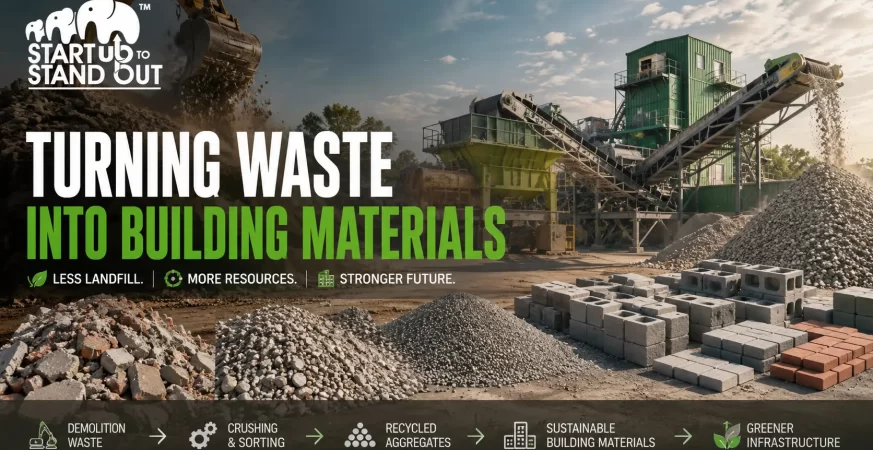
How Construction Waste Is Becoming a Valuable Resource Introduction Every construction project creates something new—but it also leaves something behind. Across cities worldwide, rapid urbanization has fueled unprecedented levels of construction activity. While this growth supports economic development, it also generates enormous quantities of construction and demolition (C&D) waste. Concrete rubble, broken bricks, steel scraps, wood, and other debris often end up in landfills, open dumping grounds, or illegal disposal sites. The environmental cost is significant. Valuable materials are wasted, natural resources continue to be extracted at scale, and cities face growing waste management challenges. But a new opportunity is emerging. Instead of viewing construction waste as a disposal problem, businesses are beginning to treat it as a resource. Construction and demolition waste recycling is creating a pathway toward more sustainable infrastructure while unlocking a profitable circular economy model. The Growing Construction Waste Challenge The construction industry is one of the world’s largest consumers of raw materials. Every building, road, bridge, and infrastructure project requires massive volumes of concrete, aggregates, sand, steel, and other resources. At the same time, demolition and renovation projects generate equally large quantities of waste. Unfortunately, much of this material is still discarded. Common environmental consequences include: Landfill overcrowding Land degradation Air pollution from dust and debris Increased transportation emissions Unnecessary extraction of virgin materials In many developing urban regions, recycling infrastructure for construction waste remains limited, resulting in valuable resources being permanently lost from the economic cycle. A Circular Economy Solution Construction and demolition waste recycling offers a practical alternative to traditional disposal methods. Instead of sending debris to landfills, recyclable materials are collected, sorted, processed, and transformed into new construction products. The process typically includes: Waste Collection Materials are gathered from construction sites, renovation projects, and demolition operations. Material Segregation Waste is separated into categories such as: Concrete Bricks Metals Wood Mixed construction debris Processing and Recycling Concrete and masonry waste are crushed and screened into recycled aggregates that can be used in roads, foundations, and other construction applications. Product Manufacturing Processed materials can be converted into: Recycled aggregates Bricks Paver blocks Other construction products This approach reduces waste while creating valuable materials that can re-enter the construction supply chain. Why Recycled Construction Materials Matter The demand for sustainable building materials is growing rapidly. Governments, developers, contractors, and infrastructure agencies are increasingly seeking ways to reduce environmental impact without sacrificing performance or cost efficiency. Recycled construction materials offer several advantages. Reduced Resource Extraction Using recycled aggregates decreases dependence on natural materials such as sand, gravel, and stone. Lower Environmental Impact Diverting waste from landfills helps reduce pollution and supports responsible waste management practices. Competitive Costs Recycled materials can often be produced at lower costs than virgin alternatives, creating economic advantages for both suppliers and buyers. Regulatory Compliance As environmental regulations become stricter, construction companies are increasingly required to adopt sustainable waste management practices. Building a Sustainable Business Model The commercial potential of construction waste recycling extends beyond environmental benefits. A well-designed recycling operation can generate revenue from multiple sources: Waste collection services Sale of recycled aggregates Recycled bricks and paver blocks Material processing contracts Consulting and advisory services The business ecosystem also benefits from partnerships with: Municipal authorities Demolition contractors Construction companies Equipment suppliers Environmental agencies These relationships help ensure a consistent supply of recyclable materials while supporting long-term operational growth. Market Demand Is Increasing Urban Expansion Growing cities require enormous quantities of building materials and infrastructure investment. Sustainability Targets Organizations are increasingly incorporating environmental objectives into procurement and project planning. Government Support Many governments are introducing regulations and incentives that encourage construction waste recycling and resource recovery. Circular Economy Adoption Businesses are increasingly recognizing waste as a resource rather than a disposal burden. These trends create favorable conditions for recycling businesses that can deliver reliable, high-quality products at competitive prices. Environmental and Social Impact The benefits of construction waste recycling extend far beyond financial returns. Reducing Landfill Dependency Recycling significantly lowers the volume of material sent to disposal sites. Conserving Natural Resources Every tonne of recycled aggregate reduces demand for virgin raw materials. Lowering Carbon Emissions Reduced extraction, transportation, and disposal activities contribute to lower environmental impacts. Creating Employment Recycling operations generate jobs across collection, transportation, processing, quality control, and manufacturing activities. Encouraging Industry Transformation Perhaps most importantly, recycling helps shift the construction sector toward more sustainable operating models and resource-efficient practices. Insights & Analysis Construction waste recycling demonstrates one of the most powerful principles of the circular economy: today’s waste can become tomorrow’s resource. Historically, construction waste has been treated primarily as a disposal challenge. However, advances in processing technology, increasing environmental awareness, and growing demand for sustainable materials are changing that perspective. The industry is moving away from a linear model of extraction, use, and disposal toward a system that prioritizes recovery, reuse, and resource optimization. As cities continue to expand and sustainability requirements become more stringent, businesses capable of transforming waste into valuable construction materials are positioned to play a critical role in the future of infrastructure development. Conclusion The construction industry’s waste problem is also one of its greatest opportunities. By converting demolition debris and construction waste into usable materials, recycling businesses can reduce environmental impact, conserve resources, and create new economic value. The model delivers benefits for governments, developers, contractors, communities, and the environment alike. As the construction sector embraces circular economy principles, waste recycling is no longer simply a sustainability initiative—it is becoming an essential component of modern infrastructure development. The future of construction may not be defined by how much we build, but by how effectively we reuse what has already been built. About the Authors This article was collaboratively prepared by: Tushar Kurhade Abhijit More Shivam More Shubham Nagane Prathmesh Dadas Sagar Dongare Aditya Patil Viren Patil Raj Cheri Omkar Sarokte
manjula
- June 16, 2026
- 0 Comments
- 194 Views
-
