









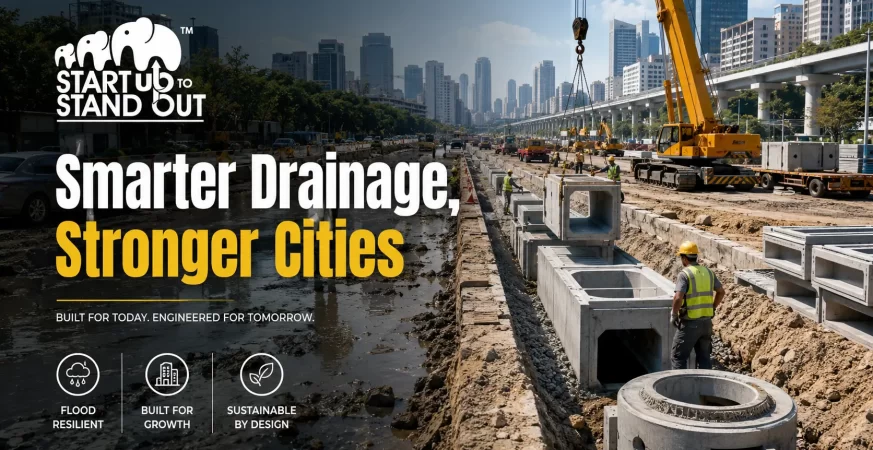
Building Smarter Infrastructure With Precast Drainage Systems
Building Smarter Infrastructure With Precast Drainage Systems Introduction As cities expand and populations grow, urban infrastructure faces increasing pressure to perform efficiently under demanding conditions. Among the most critical yet often overlooked systems is drainage infrastructure. When drainage systems fail, the consequences are immediate: flooded streets, damaged roads, traffic disruptions, sanitation issues, and increased public health risks. In many rapidly developing urban areas, traditional construction methods struggle to keep pace with growing infrastructure demands. A modern alternative is emerging through precast drainage systems and manhole structures. By shifting production from construction sites to controlled manufacturing environments, precast technology offers a faster, more reliable, and more scalable approach to urban infrastructure development. The Hidden Cost of Inefficient Drainage Drainage systems rarely attract public attention—until they stop working. Poorly designed or poorly constructed drainage networks contribute directly to: Urban flooding Waterlogging during heavy rainfall Road deterioration Traffic disruptions Public health concerns Increased maintenance costs Traditional drainage construction methods often rely on on-site casting, a process heavily influenced by weather conditions, labor availability, and curing times. These variables can delay projects, create inconsistencies in quality, and increase long-term maintenance requirements. As urbanization accelerates, municipalities and developers face mounting pressure to deliver infrastructure faster without sacrificing durability. The Shift Toward Precast Infrastructure Precast drainage systems offer a fundamentally different approach. Instead of constructing drainage structures entirely on-site, components such as drainage channels and manhole rings are manufactured in controlled factory environments and transported to project locations for installation. This shift provides several significant advantages. Faster Project Delivery Since components arrive ready for installation, project timelines can be dramatically reduced compared to traditional construction methods. This allows contractors and infrastructure agencies to complete projects more efficiently while minimizing disruption to surrounding communities. Consistent Quality Factory-controlled manufacturing processes help ensure uniform strength, dimensions, and durability. Unlike site-based casting, precast production is less vulnerable to weather-related variables and construction inconsistencies. Reduced Labor Dependency Construction industries worldwide face labor shortages and increasing workforce costs. Precast systems reduce on-site labor requirements while simplifying installation processes. Long-Term Cost Efficiency Although precast infrastructure requires upfront manufacturing investment, the combination of durability, reduced maintenance, and faster installation often results in lower lifecycle costs. Why Demand Is Growing Infrastructure projects today are expected to achieve more than simply meeting technical requirements. Stakeholders increasingly demand: Faster project completion Higher quality standards Improved sustainability Greater cost efficiency Reduced maintenance needs Precast drainage systems align closely with these objectives. The technology is particularly attractive for: Municipal infrastructure projects Road construction programs Residential developments Industrial facilities Large-scale urban expansion initiatives As cities continue to modernize, demand for standardized infrastructure components is expected to increase significantly. Building a Scalable Infrastructure Business The business potential behind precast drainage manufacturing is equally compelling. The proposed model focuses on supplying essential infrastructure products to organizations responsible for large-scale development projects. Target customers include: Municipal corporations Infrastructure contractors Real estate developers Industrial project operators Revenue opportunities extend beyond product sales and can include: Bulk infrastructure supply contracts Government tenders Customized drainage solutions Long-term contractor partnerships Strong relationships with suppliers, logistics providers, contractors, and infrastructure agencies create a reliable ecosystem that supports long-term growth. Sustainability Benefits Beyond Construction Precast infrastructure contributes to sustainability in ways that extend beyond project efficiency. Reduced Material Waste Controlled production environments improve resource utilization and reduce construction waste. Improved Resource Efficiency Manufacturing processes can be optimized to minimize excess material consumption and improve consistency. Better Urban Resilience Reliable drainage systems strengthen a city’s ability to manage stormwater and extreme weather events. Lower Maintenance Requirements Durable infrastructure reduces the frequency of repairs and replacement, lowering resource consumption over time. Social Impact of Better Drainage Infrastructure Drainage systems play a critical role in public health and quality of life. When stormwater is managed effectively: Flood risks decrease Roads remain operational Property damage is reduced Disease risks associated with stagnant water decline Communities experience improved living conditions Proper drainage infrastructure also supports economic productivity by minimizing disruptions caused by flooding and poor road conditions. In addition, manufacturing facilities create employment opportunities across production, logistics, quality control, and installation functions. Insights & Analysis The infrastructure sector is increasingly moving toward industrialized construction methods. Just as prefabrication transformed segments of the building industry, precast infrastructure is reshaping how cities approach drainage, utilities, and underground systems. The primary advantage is predictability. Traditional site-based construction introduces numerous variables that can affect timelines, quality, and cost. Precast systems reduce those variables by shifting complexity into controlled manufacturing environments. As governments invest more heavily in resilient infrastructure and climate adaptation strategies, technologies that improve speed, quality, and long-term performance are likely to gain wider adoption. Precast drainage systems fit squarely within that trend. Conclusion Urban growth requires infrastructure that can be delivered faster, perform better, and last longer. Precast drainage and manhole systems offer a practical solution to many of the challenges facing modern cities. By combining manufacturing precision with efficient installation, they help reduce construction timelines, improve quality, and strengthen urban resilience. The opportunity extends beyond business profitability. Better drainage infrastructure means fewer floods, healthier communities, stronger transportation networks, and more sustainable urban development. As cities continue to expand, smarter infrastructure solutions like precast drainage systems will play an increasingly important role in building the resilient communities of the future. About the Authors This article was collaboratively prepared by: Amruta Hile Illoto Sheqi Aditi Jadhav Ruchira Jadhav Anirudh Kadam Kago Riliang Tanvi Katmore Kabo Aye
manjula
- June 15, 2026
- 0 Comments
- 222 Views
-
