









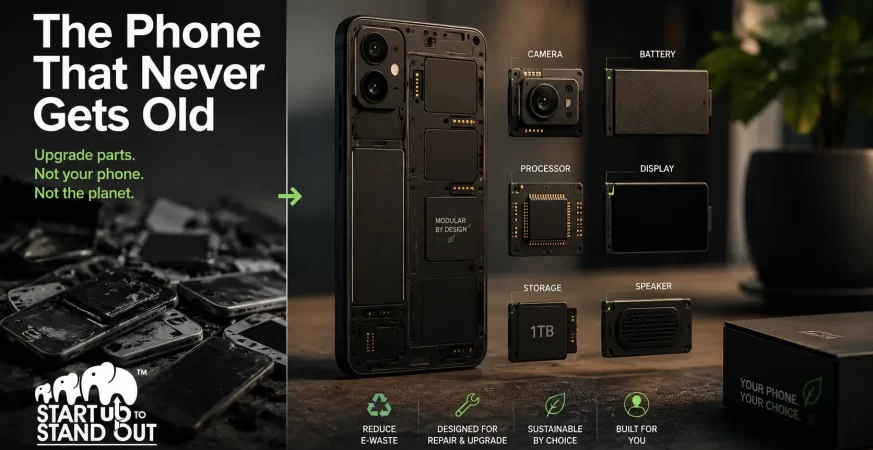
How Modular Smartphones Could End the Era of Disposable Technology
How Modular Smartphones Could End the Era of Disposable Technology Introduction Modern smartphones are among the most advanced devices ever created. Yet most are discarded for surprisingly simple reasons. A battery loses capacity. A camera becomes outdated. A processor struggles with newer applications. Although the majority of the device continues to function perfectly, consumers are often forced to replace the entire phone because upgrading individual components is impossible. This replacement culture has created a growing environmental and financial problem. According to the proposal behind Module-X, global electronic waste has reached an estimated 62 million metric tonnes annually, with smartphones contributing significantly to the problem. As concerns about sustainability, repairability, and consumer rights continue to grow, modular smartphone technology is emerging as a potential solution. The Problem With Modern Smartphones Today’s smartphone industry largely operates on a replacement model. Manufacturers generate recurring revenue by encouraging consumers to purchase entirely new devices every few years, even when only one component requires improvement. This creates several challenges: Rising electronic waste Higher consumer spending Limited repairability Shorter product lifecycles Increased resource consumption Greater environmental impact Many devices are intentionally difficult to repair due to proprietary components, adhesive construction methods, and software restrictions. As a result, consumers often have little choice but to replace rather than upgrade. A Different Vision: The Modular Smartphone Module-X proposes a fundamentally different approach. Instead of treating a smartphone as a sealed product, the concept treats it as an evolving platform. The phone is built around a durable base frame with standardized connectors that allow major components to be replaced individually. Users can upgrade: Cameras Batteries Displays Processors without replacing the entire device. This transforms the smartphone from a disposable product into a long-term technology investment. Why Modularity Changes the Economics The traditional smartphone upgrade cycle is expensive. Consumers often spend hundreds or even thousands of dollars replacing devices that are otherwise functional. Under the modular model: Lower Upgrade Costs Users purchase only the component they wish to improve rather than an entirely new phone. Extended Device Lifespan The core device remains relevant for years through incremental upgrades. Reduced Waste Fewer complete devices are discarded. Greater Consumer Control Users choose which features matter most rather than accepting manufacturer-defined upgrade schedules. This shifts power from manufacturers back toward consumers. Building a Marketplace Instead of Just a Product One of the most interesting aspects of the Module-X model is that it extends beyond hardware. The company proposes a marketplace where third-party manufacturers can develop compatible modules. Potential products could include: Advanced camera systems Audio enhancement modules Extended battery packs Specialized processors Productivity-focused accessories Rather than developing every innovation internally, Module-X acts as a platform operator. The business earns revenue from commissions on third-party module sales while encouraging ecosystem growth. This platform approach creates stronger long-term scalability than hardware sales alone. The Business Opportunity Behind Repairability The proposal outlines multiple revenue streams: Base Device Sales Revenue from the modular smartphone platform itself. Module Upgrades Ongoing sales of replacement and upgraded components. Marketplace Commissions Percentage-based revenue from third-party developers. Extended Warranties Recurring subscription-style protection plans. Trade-In Programs Incentives that keep components within the ecosystem. Enterprise Contracts Bulk deployments for businesses and government organizations. This diversification helps reduce dependence on frequent device replacement cycles. Sustainability as a Competitive Advantage The environmental impact of modularity may ultimately become one of its strongest selling points. According to the proposal, the modular model could reduce electronic waste significantly compared to traditional replacement cycles. Benefits include: Reduced landfill waste Lower demand for raw materials Fewer discarded batteries Extended product lifespans Better resource utilization As governments increasingly prioritize sustainability and right-to-repair legislation, these advantages become more commercially valuable. The Growing Right-to-Repair Movement The timing of modular smartphones is particularly important. Governments worldwide are introducing regulations designed to improve product repairability and reduce waste. The Right-to-Repair movement has gained traction in: European markets North America Parts of Asia These regulations increasingly encourage manufacturers to provide repair access, spare parts, and longer product support cycles. Module-X aligns closely with these broader regulatory trends, positioning itself ahead of potential market shifts. Insights & Analysis The most valuable aspect of Module-X is not necessarily the phone itself. It is the platform strategy. Many hardware startups struggle because each product sale is a one-time transaction. Module-X attempts to create an ecosystem where: Users buy upgrades Developers build modules Enterprises deploy fleets Marketplace commissions generate recurring income This resembles successful platform businesses more than traditional hardware companies. If adoption reaches sufficient scale, the modular connector standard could become the company’s strongest competitive moat, similar to how operating systems and app stores create ecosystem lock-in today. Conclusion For years, consumers have accepted that smartphones must be replaced every few years. Module-X challenges that assumption. By enabling users to upgrade only the components they need, the modular smartphone model reduces waste, lowers costs, and gives consumers greater control over their technology. The concept arrives at a time when sustainability concerns, right-to-repair regulations, and economic pressures are all pushing the industry toward longer-lasting products. Whether modular smartphones become mainstream remains to be seen. But if the industry moves toward a future built around repairability rather than replacement, platforms like Module-X may help define what the next generation of consumer electronics looks like. About the Authors This article was collaboratively prepared by: Yash Patil Vaishnavi Pawar Nikunj Phadke Pradnesh Kshirsagar Atharv Rakhonde Rughved Ranadive Ranveer Ghadge Rishab Sen Rishma Raj Sahas Nayar
manjula
- June 22, 2026
- 0 Comments
- 163 Views
-
