








How Plastic Roads Are Turning Waste Into Stronger Infrastructure
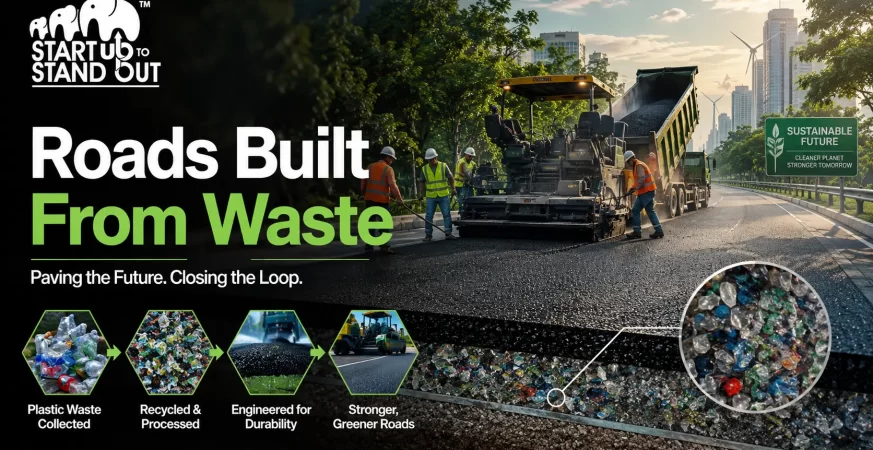
How Plastic Roads Are Turning Waste Into Stronger Infrastructure Introduction Plastic waste and deteriorating roads are often viewed as separate problems. One pollutes landfills, waterways, and urban environments. The other burdens governments with recurring repair costs, traffic disruptions, and declining infrastructure quality. But what if one challenge could help solve the other? Plastic road technology is emerging as a practical example of the circular economy in action. By incorporating shredded waste plastic into road construction, engineers can improve road durability while diverting significant volumes of plastic waste from the environment. The concept is already being adopted across multiple regions and is gaining attention as a scalable solution for sustainable infrastructure development. The Growing Plastic Waste Challenge Plastic consumption has become deeply embedded in modern life. Packaging, food delivery, retail products, and everyday consumer goods generate enormous amounts of waste every year. According to the source document, India generates approximately 3.5 million tonnes of plastic waste annually. Much of this waste ends up being burned, dumped, landfilled, or leaked into water bodies because collection and recycling systems struggle to keep pace with rising consumption. Single-use plastics such as bags, wrappers, cups, films, and packaging materials are particularly difficult to recover and recycle economically. As a result, cities face increasing pressure on waste management systems while environmental pollution continues to grow. Why Road Infrastructure Needs Innovation India possesses one of the world’s largest road networks, spanning more than 6.5 million kilometers. Yet maintaining this vast network remains a constant challenge. Common road failures include: Potholes Surface cracking Rutting Waterlogging Shoulder erosion Heavy traffic, poor drainage, and extreme weather conditions accelerate deterioration. During monsoon seasons, roads often experience rapid damage that leads to costly repairs and transportation disruptions. Traditional maintenance approaches frequently focus on short-term patchwork repairs rather than addressing material performance. This creates a cycle of recurring maintenance costs and reduced road quality. The search for stronger, more durable road materials has therefore become a critical infrastructure priority. How Plastic Road Technology Works Plastic road construction uses waste thermoplastics such as: Polyethylene (PE) Polypropylene (PP) Polystyrene (PS) The process begins with collecting, cleaning, and shredding waste plastic into small particles. These particles are then mixed with heated road aggregates before being blended with hot bitumen using the Dry Process technique. The resulting plastic-modified bitumen mixture can be laid using conventional road construction equipment. The technology has been validated by leading research institutions and supported through government guidelines for plastic waste utilization in road construction. Several states have already implemented roads using this approach. Why Plastic Roads Perform Better The key advantage lies in how melted plastic coats road aggregates. This coating creates a water-resistant layer that improves bonding and reduces moisture penetration, one of the primary causes of pavement deterioration. The result is a road surface that offers: Improved Water Resistance Reduced moisture ingress helps protect the pavement structure from damage caused by rain and waterlogging. Greater Durability Plastic-modified roads are more resistant to rutting, cracking, and pothole formation under heavy traffic conditions. Longer Service Life According to the proposal, plastic roads can last two to three times longer than conventional roads, reducing maintenance requirements and lifecycle costs. Lower Material Costs Plastic can replace approximately 8% of bitumen by weight, helping reduce dependence on conventional petroleum-based materials. Turning Waste Into Infrastructure One of the most compelling aspects of this technology is its environmental impact. The proposal estimates that a single kilometer of road can utilize approximately: 800–1,000 kilograms of waste plastic Around one million plastic bags Instead of becoming pollution, this waste is transformed into a productive infrastructure asset. This approach aligns closely with circular economy principles by keeping materials in use for longer and reducing demand for virgin resources. A Significant Market Opportunity Infrastructure spending and sustainability objectives are creating favorable conditions for plastic road adoption. The document highlights substantial public investment in road infrastructure, combined with growing policy support for plastic waste utilization. Regulatory guidelines and sustainability mandates are increasingly encouraging the use of recycled materials in public infrastructure projects. Beyond road construction itself, opportunities extend into: Road maintenance contracts Technical consulting Plastic processing services Municipal waste management partnerships Sustainable infrastructure programs As governments seek cost-effective solutions that deliver environmental benefits, plastic road technology is positioned to become an increasingly important part of future infrastructure strategies. Insights & Analysis The real strength of plastic roads is not simply that they recycle waste. Their value lies in solving two expensive public challenges simultaneously: waste management and infrastructure maintenance. Many sustainability initiatives struggle because they provide environmental benefits without clear economic incentives. Plastic road technology stands out because improved road performance can directly reduce maintenance spending while simultaneously diverting waste from landfills and waterways. That combination makes adoption easier for governments, municipalities, and infrastructure agencies operating under budget constraints. The model also demonstrates how circular economy thinking can move beyond recycling and become embedded directly into large-scale public infrastructure systems. Conclusion Plastic road construction represents a rare win-win opportunity in sustainable development. By transforming waste plastic into a valuable construction material, the technology addresses environmental pollution while improving infrastructure durability and reducing long-term maintenance costs. As cities continue to generate more plastic waste and governments invest heavily in transportation infrastructure, solutions that combine environmental responsibility with economic practicality will become increasingly valuable. Plastic roads show that some of the most effective sustainability innovations are not about creating entirely new resources—but about finding smarter ways to use the ones we already have. About the Authors This article was collaboratively prepared by: Ronak Bhandari Priyanshi Pawar Mahesh Patil Pranali Rathi Shreya Mirgale Rayan Tarapore Nirvan Mehta Pratiksha Kande Darshan Patil Samaradni Sawant
manjula
- June 15, 2026
- 0 Comments
- 277 Views
-
