








How E-Bike Sharing Could Solve the Last-Mile Problem on College Campuses
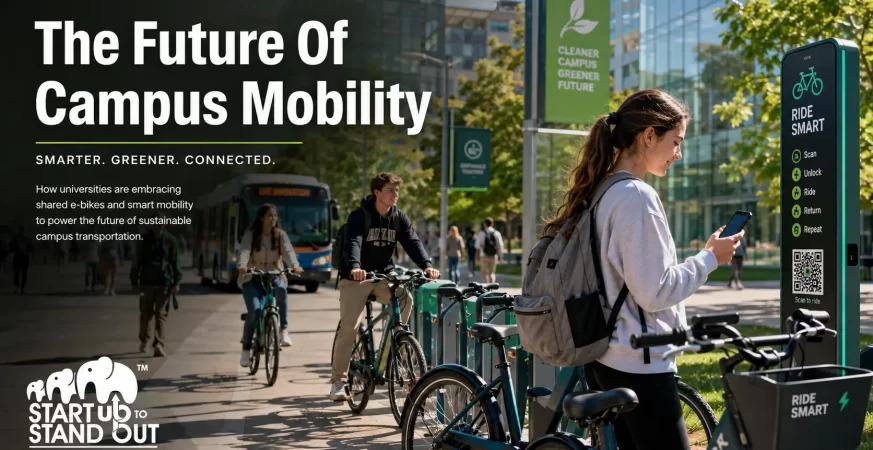
How E-Bike Sharing Could Solve the Last-Mile Problem on College Campuses Introduction Modern cities have invested heavily in improving public transportation. Metro systems, buses, and shared mobility services have made commuting more efficient than ever. Yet one persistent challenge continues to affect millions of daily commuters: the last mile. The final stretch between a transportation hub and a destination often remains inconvenient, time-consuming, and expensive. This issue is particularly visible around colleges and universities, where students and faculty frequently travel short distances that are too long to walk comfortably but too short to justify traditional transport options. The result is a mobility gap that impacts convenience, productivity, and sustainability. A smart e-bike and bicycle sharing platform offers a practical solution by combining technology, affordability, and environmentally friendly transportation into a single system. Understanding the Last-Mile Challenge Last-mile connectivity refers to the final segment of a journey between a transportation node and the destination. Although public transport may successfully bring commuters close to where they need to be, completing the journey often becomes frustrating. In college environments, common challenges include: Limited short-distance transport options High costs for auto-rickshaws and taxis Time lost during daily commutes Traffic congestion near campuses Dependence on fuel-powered vehicles These seemingly minor inconveniences accumulate over time, affecting thousands of students and staff every day. As urban campuses continue to grow, the need for efficient short-distance mobility solutions becomes increasingly important. A Technology-Driven Mobility Solution The proposed system introduces a network of e-bikes and bicycles that can be rented through a mobile application. Users locate nearby vehicles, unlock them using QR codes, complete their journey, and pay based on usage time. The concept combines several features that make it particularly suitable for campus environments: App-Based Access Users can unlock vehicles instantly using a smartphone application. Flexible Pricing Pay-per-minute and hourly pricing models ensure affordability for short trips. GPS Tracking Real-time location tracking allows users to quickly identify available vehicles nearby. Strategic Docking Stations Vehicles are positioned near transit points, campus entrances, hostels, and academic buildings. Sustainable Transportation Electric and pedal-powered vehicles provide a zero-emission alternative to traditional transport. Together, these features create a seamless commuting experience that reduces dependency on expensive short-distance transport options. Why College Campuses Are Ideal Launch Markets Many mobility startups struggle because they attempt to serve broad populations immediately. College campuses offer a different opportunity. They provide: High population density Predictable travel patterns Daily recurring demand Technology-savvy users Limited parking availability Students often travel between hostels, classrooms, libraries, cafeterias, and nearby transit stations multiple times each day. This frequency creates a strong foundation for sustainable utilization rates and recurring revenue. By focusing on a clearly defined customer segment, the model reduces operational complexity during its early growth stages. Building a Strong Business Model The proposal uses the Business Model Canvas framework to evaluate commercial viability. Several revenue streams support long-term sustainability. Rental Charges The primary revenue source comes from time-based usage fees. Subscription Plans Regular users can access discounted monthly or semester-based packages. Advertising Revenue Brands can advertise through the app or physical docking infrastructure. Late Return Penalties Additional fees encourage efficient fleet utilization. Sponsorship Opportunities Partnerships with educational institutions and local businesses create additional revenue potential. This diversified revenue structure reduces reliance on a single income source. Key Resources and Infrastructure Successful deployment requires more than bicycles. Critical assets include: E-bike and bicycle fleets Mobile application platform GPS and IoT systems Charging infrastructure Maintenance teams Technology serves as the foundation of the entire ecosystem. Without real-time tracking, seamless payments, and fleet management systems, operational efficiency becomes difficult to maintain. The combination of physical and digital infrastructure creates a scalable platform rather than a simple rental service. Strategic Partnerships Drive Growth Partnerships play a central role in the proposed model. Potential collaborators include: Educational Institutions Campuses provide access to concentrated user bases and deployment locations. Payment Providers Integrated digital payments improve user convenience. Smart City Initiatives Government-supported mobility programs can accelerate adoption. Charging Infrastructure Partners Reliable charging networks support operational continuity. These partnerships reduce operational barriers while strengthening long-term scalability. Environmental and Social Impact Beyond commercial viability, the model delivers meaningful environmental benefits. Reduced Carbon Emissions Electric and pedal-powered transportation reduces dependence on fuel-powered vehicles. Lower Traffic Congestion More efficient short-distance mobility reduces pressure on roads surrounding campuses. Sustainable Transportation Habits Students become familiar with environmentally responsible commuting alternatives. Improved Accessibility Affordable transportation expands mobility options for students and visitors alike. These outcomes align closely with broader smart-city and sustainability objectives. Future Expansion Opportunities The proposal outlines several avenues for future growth. Potential enhancements include: Integration with public transportation systems AI-based demand forecasting Expansion into corporate parks Deployment across urban mobility networks Electric scooter integration Smart docking infrastructure Such developments could transform a campus-focused solution into a broader urban mobility platform. The scalability of the technology creates opportunities beyond the initial target market. Insights & Analysis The most attractive aspect of this business is not the bicycles themselves. Shared mobility already exists. The real value lies in solving a highly specific and recurring problem. Many startups fail because they target broad markets without a clearly defined user need. This model begins with a concentrated environment where demand is both predictable and measurable. College campuses function as ideal testing grounds for mobility innovation. If operational efficiency, user adoption, and unit economics can be validated within one campus ecosystem, expansion into neighboring institutions and urban districts becomes significantly easier. The long-term opportunity is not simply renting bikes—it is building a connected mobility platform that becomes part of everyday transportation infrastructure. Conclusion Last-mile connectivity remains one of the most overlooked challenges in urban transportation. For students, faculty, and visitors, inefficient short-distance travel creates unnecessary costs, delays, and frustration. An app-based e-bike sharing system offers a practical solution by combining convenience, affordability, and sustainability into a single platform. By leveraging technology, strategic partnerships, and environmentally friendly transportation, the model addresses a real mobility challenge while creating a scalable business opportunity. As cities continue to prioritize green transportation
manjula
- June 23, 2026
- 0 Comments
- 260 Views
-
