









How AutoPark Could Become the Digital Infrastructure Behind Smarter Cities
Introduction
Finding a parking space has quietly become one of the biggest inefficiencies of urban life.
Every day, millions of drivers spend valuable time circling crowded streets, parking lots, and commercial districts searching for an available spot. The experience creates unnecessary congestion, wastes fuel, increases emissions, and adds frustration to every journey before the destination is even reached.
The problem extends far beyond convenience.
As Indian cities continue to urbanize and vehicle ownership rises, parking has evolved into an infrastructure challenge. Traditional parking systems—built around manual attendants, paper tickets, and cash payments—were never designed to support the demands of rapidly growing urban populations.
Smart cities require smarter infrastructure.
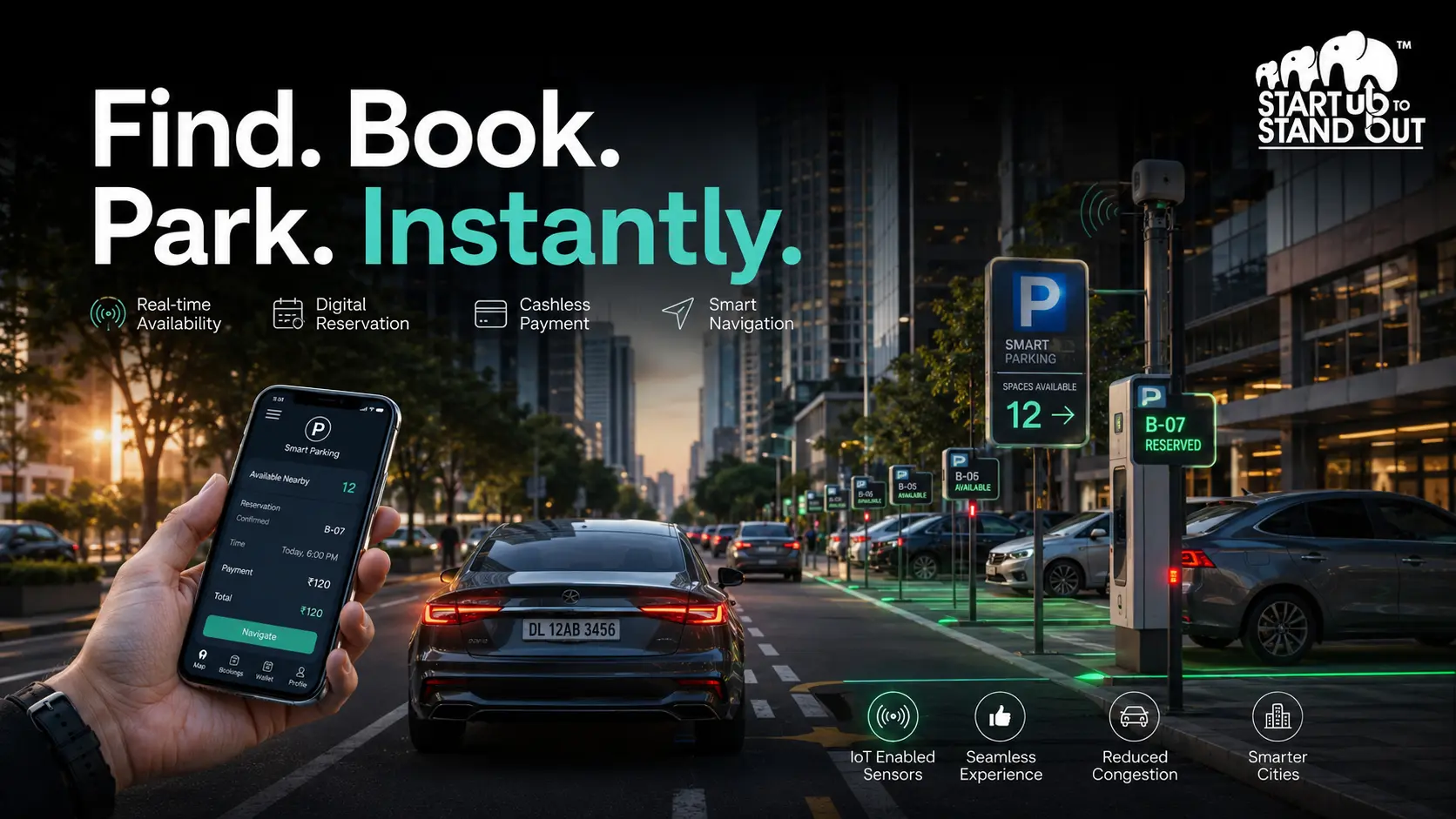
AutoPark addresses this challenge by creating a digital platform that allows drivers to locate, reserve, and pay for parking spaces before they arrive. By connecting drivers, parking operators, businesses, and city authorities through a single intelligent ecosystem, the platform transforms parking from a reactive process into a predictable digital service.
Why Parking Has Become an Urban Bottleneck
India’s vehicle population continues to grow each year, while parking infrastructure struggles to keep pace.
The consequences affect nearly every stakeholder.
Drivers experience:
- Long search times
- Traffic congestion
- Fuel wastage
- Parking fines
- Increased travel uncertainty
Businesses lose customers because convenient parking is unavailable.
Municipal authorities face worsening congestion without access to real-time parking intelligence.
The issue is no longer simply a shortage of parking spaces.
It is the inefficient management of existing capacity.
Turning Parking Into a Digital Service
AutoPark replaces fragmented parking experiences with a connected digital platform.
Instead of driving until an empty space appears, users can:
Search Nearby Parking
Locate available parking spaces in real time.
Reserve in Advance
Book parking before beginning the journey.
Navigate Directly
Integrated maps guide users directly to their reserved location.
Make Cashless Payments
Complete secure digital transactions through multiple payment methods.
Receive Instant Updates
Booking confirmations, availability notifications, and payment receipts are delivered automatically.
Together, these features create a faster, more predictable parking experience.
Building a Multi-Sided Mobility Platform
AutoPark serves far more than individual drivers.
Its ecosystem includes:
- Daily Commuters – Reliable parking near workplaces and city centers.
- Office Professionals – Reserved parking for regular commuting.
- Students – Affordable campus parking options.
- Retail Visitors – Convenient parking that improves shopping experiences.
- Event Organizers – Bulk parking management for large gatherings.
- Parking Operators – Digital tools that improve occupancy and revenue generation.
- Municipal Authorities – Data-driven insights that support smarter urban planning.
By serving multiple customer groups simultaneously, the platform creates powerful marketplace network effects.
Technology That Makes Cities More Efficient
At the heart of AutoPark is a real-time digital infrastructure powered by connected technologies.
The platform combines:
- IoT-enabled parking availability
- Cloud infrastructure
- GPS navigation
- Mobile applications
- Digital payment systems
- Real-time analytics
Rather than functioning as another parking app, AutoPark acts as an orchestration layer connecting infrastructure, operators, and drivers into one intelligent network.
Multiple Revenue Streams Create Long-Term Stability
AutoPark is designed around a diversified revenue model.
Revenue opportunities include:
Booking Commissions
Platform fees collected from every completed parking reservation.
Enterprise Solutions
Corporate parking management and employee parking programs.
Event Subscriptions
Premium tools for organizers managing large-scale events.
Featured Listings
Parking operators pay for enhanced visibility within the platform.
Advertising
Location-based promotions and in-app sponsorship opportunities.
This combination of transactional and recurring revenue strengthens financial sustainability while supporting long-term scalability.
Why Data Becomes the Competitive Advantage
One of AutoPark’s greatest long-term assets is the data it generates.
Every reservation contributes valuable insights into:
- Parking demand
- Peak traffic periods
- Occupancy trends
- Driver behavior
- Urban mobility patterns
Over time, this growing dataset enables:
- Better parking recommendations
- Dynamic pricing
- Smarter city planning
- Improved operator performance
- Higher infrastructure utilization
The platform becomes more valuable as adoption increases, creating a data flywheel that strengthens its competitive position.
Aligning With India’s Smart City Vision
AutoPark’s opportunity extends beyond commercial parking.
Its model aligns closely with India’s Smart City Mission by supporting:
- Intelligent urban infrastructure
- Digital public services
- Cashless mobility
- Traffic optimization
- Sustainable transportation
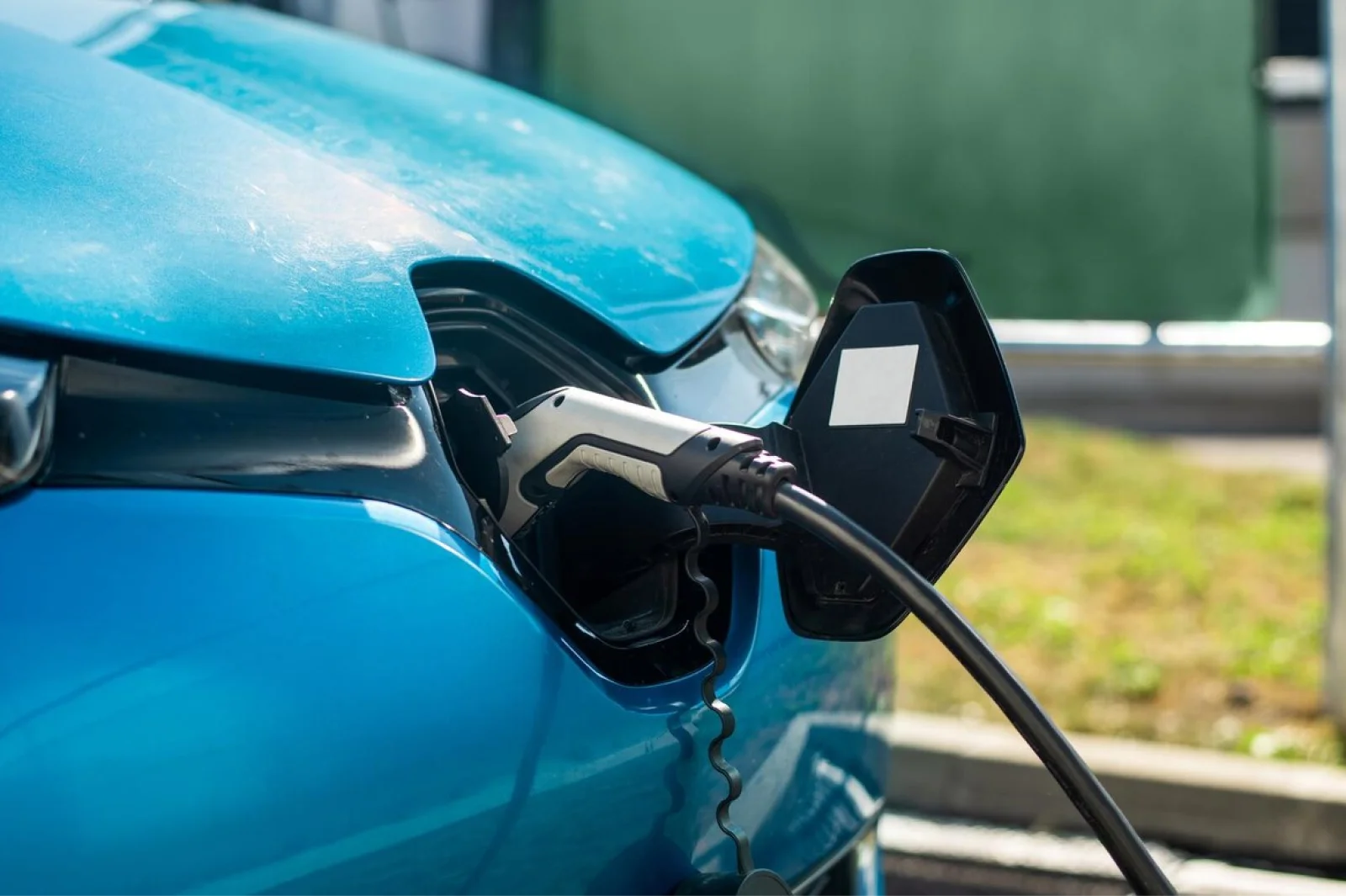
Future integration with EV charging infrastructure further expands its strategic relevance as cities continue transitioning toward electric mobility.
Challenges Ahead
Like every infrastructure platform, AutoPark must overcome several adoption challenges.
These include:
- Convincing traditional parking operators to digitize
- Navigating municipal regulations
- Expanding IoT infrastructure
- Changing long-established driver behavior
- Competing against large mobility platforms
- Maintaining data privacy and security
Successfully addressing these challenges will determine the pace of national expansion.
Insights & Analysis
The most valuable product AutoPark offers is not parking.
Parking spaces already exist.
The real innovation lies in orchestrating fragmented infrastructure into a connected digital network.
This mirrors the evolution seen in industries such as ride-hailing and EV charging, where technology did not create new physical assets—it made existing assets dramatically more efficient.
AutoPark’s greatest competitive advantage may ultimately be its data ecosystem.
As more operators, municipalities, and drivers join the platform, its understanding of urban mobility continuously improves, making the service increasingly valuable for every participant.
Conclusion
Urban parking has evolved from a daily inconvenience into a significant infrastructure challenge for growing cities.
AutoPark addresses this problem by combining real-time availability, digital reservations, cashless payments, IoT integration, and data-driven insights into one connected mobility platform.
By improving efficiency for drivers, increasing utilization for parking operators, and supporting smarter city planning, the platform creates value across the entire urban mobility ecosystem.
As Indian cities continue investing in digital infrastructure and smart mobility, platforms capable of transforming existing parking infrastructure into intelligent, connected networks may become an essential part of the future city.
The future of parking may not depend on building more parking spaces—it may depend on using the existing ones far more intelligently.