





• Home  
  • How Eco-Friendly Packaging Could Redefine Sustainable Business
- NextGen Innovators

How Eco-Friendly Packaging Could Redefine Sustainable Business

How Eco-Friendly Packaging Could Redefine Sustainable Business Introduction Packaging has become an invisible part of everyday life. From food deliveries and online shopping to retail products and takeaway meals, billions of packages move through global supply chains every year. Yet behind this convenience lies one of the world’s fastest-growing environmental challenges—plastic waste. Traditional packaging is inexpensive and durable, but its environmental cost is immense. Much of it ends up in landfills, waterways, and oceans, where it can persist for centuries. As governments tighten regulations and consumers increasingly favor environmentally responsible brands, businesses are being forced to rethink how products are packaged. Sustainability is no longer simply a corporate responsibility initiative. It is becoming a competitive advantage. Eco-friendly packaging startups are responding to this shift by replacing conventional plastic packaging with biodegradable and compostable alternatives. Rather than asking businesses to choose between profitability and sustainability, these companies demonstrate that environmental responsibility can become the foundation of a scalable business model. Why Sustainable Packaging Is Becoming Essential Consumer expectations have evolved rapidly. Customers increasingly evaluate brands not only by product quality but also by their environmental impact. At the same time, governments across the world continue introducing stricter regulations on single-use plastics, creating additional pressure for businesses to adopt sustainable alternatives. Industries facing the greatest demand include: Restaurants and cafés Cloud kitchens Food delivery companies Retail businesses E-commerce brands Environmentally conscious consumer brands For these businesses, sustainable packaging is gradually shifting from an optional feature to a market expectation. Replacing Plastic With Smarter Materials The startup’s core value proposition centers on replacing conventional plastic packaging with environmentally friendly alternatives. Its products include packaging manufactured from materials such as: Bagasse Cornstarch Recycled paper These materials offer several advantages: Biodegradable and Compostable Packaging naturally decomposes without creating long-term environmental pollution. Reduced Plastic Waste Businesses can significantly lower their dependence on conventional plastic products. Durable Performance Eco-friendly materials are designed to provide the strength and reliability required for commercial packaging. Brand Customization Businesses can personalize packaging while maintaining their sustainability commitments. By combining environmental responsibility with practical functionality, the startup removes one of the biggest barriers to sustainable adoption. Building a Multi-Channel Distribution Strategy Reaching customers effectively is critical for any manufacturing business. The startup utilizes multiple channels including: Direct Business Sales Supplying packaging directly to commercial customers. Online Platforms Digital ordering through e-commerce websites. Delivery Partnerships Collaborating with food delivery ecosystems. Digital Marketing Social media campaigns and online promotion. Industry Exhibitions Participating in trade fairs to expand business relationships. This diversified distribution strategy supports both customer acquisition and long-term market visibility. Creating Long-Term Customer Relationships Sustainable businesses depend heavily on repeat customers. Rather than focusing solely on individual transactions, the startup builds ongoing relationships through: Personalized customer service Subscription-based supply agreements Continuous customer feedback Loyalty programs Volume discounts These initiatives improve customer retention while creating more predictable recurring demand. A Diversified Revenue Model The business generates revenue through multiple complementary streams. These include: Bulk Packaging Sales Supplying large commercial orders to business customers. Long-Term Supply Contracts Recurring agreements with restaurants, retailers, and food service companies. Custom Branding Personalized packaging solutions for businesses seeking stronger brand visibility. Premium Product Lines Higher-value sustainable packaging designed for specialized applications. This diversified approach reduces dependence on a single revenue source while strengthening financial resilience. Manufacturing Drives Competitive Advantage The startup’s success depends on effectively managing several key operational resources. These include: Sustainable raw materials Manufacturing facilities Skilled production teams Quality control systems Brand reputation Its core operational activities focus on: Product innovation Manufacturing Quality assurance Supply chain management Customer acquisition Together, these capabilities enable consistent product quality while supporting future expansion. Partnerships Strengthen the Ecosystem No manufacturing startup scales alone. Strategic partnerships play a vital role across the business. Key collaborators include: Raw material suppliers Manufacturing partners Logistics providers Retail partners Commercial clients These relationships improve operational efficiency, reduce costs, and expand market reach while allowing the startup to focus on continuous innovation. Challenges on the Road to Scale Although sustainable packaging presents significant opportunities, several challenges remain. These include: Maintaining competitive pricing Scaling manufacturing capacity Managing raw material availability Competing with inexpensive plastic alternatives Continuously innovating to meet evolving customer needs Successfully addressing these challenges will determine how rapidly sustainable packaging replaces conventional plastic solutions. Insights & Analysis The startup’s greatest strength is not biodegradable packaging. Many companies already manufacture environmentally friendly alternatives. Its true opportunity lies in helping businesses transition toward sustainability without sacrificing functionality or commercial viability. Packaging has historically been viewed as a cost. Increasingly, it is becoming part of brand identity. Companies that visibly demonstrate environmental responsibility strengthen customer trust while differentiating themselves in competitive markets. As sustainability becomes embedded within purchasing decisions, eco-friendly packaging evolves from an operational expense into a strategic business asset. Conclusion The packaging industry is entering a period of significant transformation. Businesses are under growing pressure to reduce plastic waste while maintaining product quality, operational efficiency, and customer satisfaction. Eco-friendly packaging startups address this challenge by combining biodegradable materials, sustainable manufacturing, diversified revenue models, and customer-focused innovation into a scalable business framework. By aligning environmental responsibility with commercial success, these businesses demonstrate that sustainability and profitability are no longer competing objectives. The future of packaging may not depend on producing more materials—it may depend on producing smarter ones that protect both products and the planet. About the Authors Ahrar Ahmed Shaikh Ayush Darekar

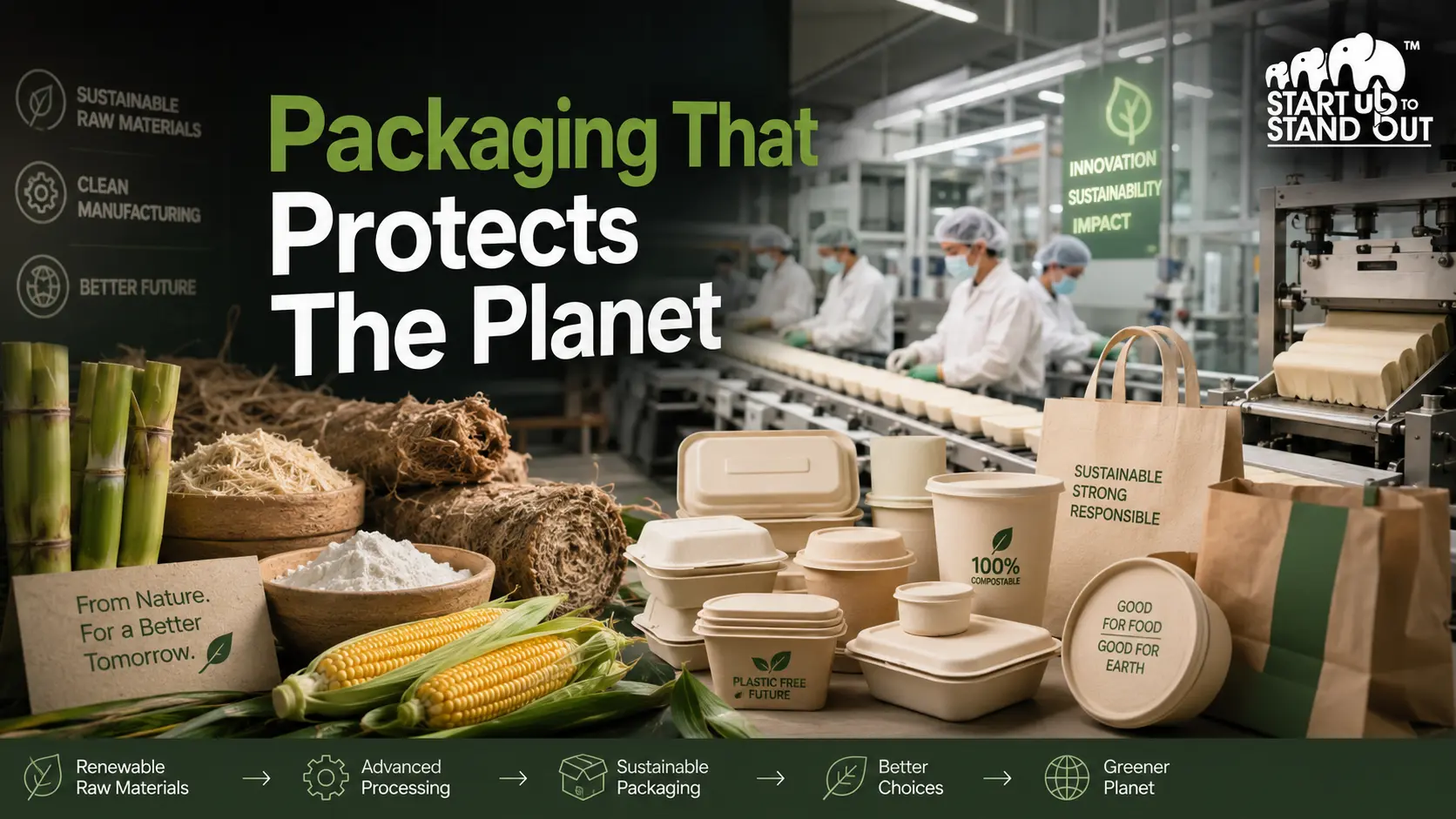
Workers manufacturing biodegradable food packaging from sustainable materials while businesses package products using eco-friendly alternatives instead of plastic.

How Eco-Friendly Packaging Could Redefine Sustainable Business

Introduction

Packaging has become an invisible part of everyday life.

From food deliveries and online shopping to retail products and takeaway meals, billions of packages move through global supply chains every year. Yet behind this convenience lies one of the world’s fastest-growing environmental challenges—plastic waste.

Traditional packaging is inexpensive and durable, but its environmental cost is immense. Much of it ends up in landfills, waterways, and oceans, where it can persist for centuries. As governments tighten regulations and consumers increasingly favor environmentally responsible brands, businesses are being forced to rethink how products are packaged.

Sustainability is no longer simply a corporate responsibility initiative.

It is becoming a competitive advantage.

Eco-friendly packaging startups are responding to this shift by replacing conventional plastic packaging with biodegradable and compostable alternatives. Rather than asking businesses to choose between profitability and sustainability, these companies demonstrate that environmental responsibility can become the foundation of a scalable business model.

Why Sustainable Packaging Is Becoming Essential

Consumer expectations have evolved rapidly.

Customers increasingly evaluate brands not only by product quality but also by their environmental impact.

At the same time, governments across the world continue introducing stricter regulations on single-use plastics, creating additional pressure for businesses to adopt sustainable alternatives.

Industries facing the greatest demand include:

  • Restaurants and cafés
  • Cloud kitchens
  • Food delivery companies
  • Retail businesses
  • E-commerce brands
  • Environmentally conscious consumer brands

For these businesses, sustainable packaging is gradually shifting from an optional feature to a market expectation.

Replacing Plastic With Smarter Materials

The startup’s core value proposition centers on replacing conventional plastic packaging with environmentally friendly alternatives.

Its products include packaging manufactured from materials such as:

  • Bagasse
  • Cornstarch
  • Recycled paper

These materials offer several advantages:

Biodegradable and Compostable

Packaging naturally decomposes without creating long-term environmental pollution.

Reduced Plastic Waste

Businesses can significantly lower their dependence on conventional plastic products.

Durable Performance

Eco-friendly materials are designed to provide the strength and reliability required for commercial packaging.

Brand Customization

Businesses can personalize packaging while maintaining their sustainability commitments.

By combining environmental responsibility with practical functionality, the startup removes one of the biggest barriers to sustainable adoption.

Building a Multi-Channel Distribution Strategy

Reaching customers effectively is critical for any manufacturing business.

The startup utilizes multiple channels including:

Direct Business Sales

Supplying packaging directly to commercial customers.

Online Platforms

Digital ordering through e-commerce websites.

Delivery Partnerships

Collaborating with food delivery ecosystems.

Digital Marketing

Social media campaigns and online promotion.

Industry Exhibitions

Participating in trade fairs to expand business relationships.

This diversified distribution strategy supports both customer acquisition and long-term market visibility.

Creating Long-Term Customer Relationships

Sustainable businesses depend heavily on repeat customers.

Rather than focusing solely on individual transactions, the startup builds ongoing relationships through:

  • Personalized customer service
  • Subscription-based supply agreements
  • Continuous customer feedback
  • Loyalty programs
  • Volume discounts

These initiatives improve customer retention while creating more predictable recurring demand.

A Diversified Revenue Model

The business generates revenue through multiple complementary streams.

These include:

Bulk Packaging Sales

Supplying large commercial orders to business customers.

Long-Term Supply Contracts

Recurring agreements with restaurants, retailers, and food service companies.

Custom Branding

Personalized packaging solutions for businesses seeking stronger brand visibility.

Premium Product Lines

Higher-value sustainable packaging designed for specialized applications.

This diversified approach reduces dependence on a single revenue source while strengthening financial resilience.

Manufacturing Drives Competitive Advantage

The startup’s success depends on effectively managing several key operational resources.

These include:

  • Sustainable raw materials
  • Manufacturing facilities
  • Skilled production teams
  • Quality control systems
  • Brand reputation

Its core operational activities focus on:

  • Product innovation
  • Manufacturing
  • Quality assurance
  • Supply chain management
  • Customer acquisition

Together, these capabilities enable consistent product quality while supporting future expansion.

Partnerships Strengthen the Ecosystem

No manufacturing startup scales alone.

Strategic partnerships play a vital role across the business.

Key collaborators include:

  • Raw material suppliers
  • Manufacturing partners
  • Logistics providers
  • Retail partners
  • Commercial clients

These relationships improve operational efficiency, reduce costs, and expand market reach while allowing the startup to focus on continuous innovation.

Challenges on the Road to Scale

Although sustainable packaging presents significant opportunities, several challenges remain.

These include:

  • Maintaining competitive pricing
  • Scaling manufacturing capacity
  • Managing raw material availability
  • Competing with inexpensive plastic alternatives
  • Continuously innovating to meet evolving customer needs

Successfully addressing these challenges will determine how rapidly sustainable packaging replaces conventional plastic solutions.

Insights & Analysis

The startup’s greatest strength is not biodegradable packaging.

Many companies already manufacture environmentally friendly alternatives.

Its true opportunity lies in helping businesses transition toward sustainability without sacrificing functionality or commercial viability.

Packaging has historically been viewed as a cost.

Increasingly, it is becoming part of brand identity.

Companies that visibly demonstrate environmental responsibility strengthen customer trust while differentiating themselves in competitive markets.

As sustainability becomes embedded within purchasing decisions, eco-friendly packaging evolves from an operational expense into a strategic business asset.

Conclusion

The packaging industry is entering a period of significant transformation.

Businesses are under growing pressure to reduce plastic waste while maintaining product quality, operational efficiency, and customer satisfaction.

Eco-friendly packaging startups address this challenge by combining biodegradable materials, sustainable manufacturing, diversified revenue models, and customer-focused innovation into a scalable business framework.

By aligning environmental responsibility with commercial success, these businesses demonstrate that sustainability and profitability are no longer competing objectives.

The future of packaging may not depend on producing more materials—it may depend on producing smarter ones that protect both products and the planet.


About the Authors

Creative Bharat is focused on entrepreneurship, business strategy, mindset, personal growth, discipline, creativity and leadership.

Contact Us

Email Us: manjula@creativebharat.com creativebharatgroup@gmail.com

Insta Feeds

COMING SOON!!!

Creative Bharat  @2026. All Rights Reserved.