






• Home  
  • Stay Wise and Aware of Your Brand Legally: What Every Business Should Know About Trademark Protection
- NextGen Innovators

Stay Wise and Aware of Your Brand Legally: What Every Business Should Know About Trademark Protection

Stay Wise and Aware of Your Brand Legally: What Every Business Should Know About Trademark Protection Stay Wise. Protect Your Brand. A brand is far more than a name or logo. It represents years of investment, customer trust, market reputation, and commercial goodwill. Whether you operate a startup, a family-owned business, or a large enterprise, your brand often becomes one of your most valuable business assets. Yet many businesses focus heavily on marketing their brand while paying far less attention to protecting it legally. In today’s digital marketplace, where consumers discover businesses through online searches and digital advertising, an unprotected brand can quickly become vulnerable to misuse, imitation, or unfair competition. A recent judgment of the Delhi High Court has brought this issue into sharp focus, reinforcing that trademark rights extend beyond traditional forms of infringement and remain equally important in the digital advertising ecosystem. Your Trademark Is a Business Asset Every successful brand eventually develops commercial value. Customers begin associating a particular name with the quality, reliability, and reputation of a business. This goodwill is precisely what trademark law seeks to protect. A registered trademark gives its owner the exclusive right to use the mark in relation to the goods or services for which it is registered. More importantly, it enables businesses to prevent others from using identical or deceptively similar marks in a manner likely to create confusion among consumers. As businesses increasingly compete online, protecting that goodwill has become just as important as creating it. The Digital Marketplace Has Changed Brand Protection For years, businesses have competed not only through products and pricing but also through digital advertising. One common practice involved competitors purchasing another company’s trademark as a keyword in online advertising. This meant that when consumers searched for one particular brand, advertisements for competing businesses could appear prominently in the search results. While many businesses viewed this as an accepted digital marketing strategy, it also raised an important legal question: Can someone commercially benefit from another company’s registered trademark simply because the trademark itself is not visibly displayed in the advertisement? The Hindware Judgment: A Landmark Development This question came before the Delhi High Court in a dispute involving Hindware, a well-known sanitaryware brand. Hindware discovered that competing businesses had purchased its registered trademark as a keyword through Google’s advertising platform, resulting in competitors’ advertisements appearing when consumers searched specifically for “HINDWARE.” Hindware argued that this diverted potential customers and allowed competitors to benefit from the goodwill associated with its registered trademark. In a significant judgment, the Delhi High Court held that using a registered trademark as a keyword to trigger advertisements could amount to “use in advertising” under the Trade Marks Act, 1999. The Court permanently restrained Google from permitting the use of the “HINDWARE” trademark as a keyword in the circumstances before it and directed Google to pay ₹30 lakh in damages. The Court observed that digital advertising cannot become a mechanism for exploiting another business’s established reputation merely because the keyword itself remains invisible to users. It is important to note that Google has challenged this judgment, and the matter remains under appellate consideration. The Delhi High Court has, however, declined to stay the single-judge ruling for the time being. Why This Matters for Businesses The significance of this decision extends beyond one company or one technology platform. It serves as a reminder that trademark protection is no longer confined to product packaging, signboards, or domain names. Digital advertising strategies, search engine marketing, and online consumer journeys increasingly intersect with intellectual property rights. Businesses investing substantial resources to build brand recognition should therefore view trademark registration not as a regulatory formality but as a strategic business investment. At the same time, marketing teams should ensure that their advertising campaigns respect the intellectual property rights of competitors. Aggressive digital marketing strategies should always be evaluated alongside applicable legal obligations. Common Mistakes Businesses Make Many businesses delay registering their trademarks until they encounter a dispute. Others assume that registering a company name automatically grants trademark protection, which is not necessarily the case. Some businesses also overlook monitoring the marketplace for unauthorized use of their marks. In the digital era, infringement may occur through online advertisements, domain names, social media profiles, e-commerce listings, or search engine marketing campaigns. Waiting until substantial damage has occurred often makes enforcement more difficult and more expensive. Insights & Analysis The Hindware decision reflects a broader trend in Indian intellectual property law. Courts are increasingly recognising that commercial goodwill deserves meaningful protection, even where infringement occurs through evolving digital technologies rather than traditional forms of imitation. For businesses, the judgment is a reminder that brand protection should not begin only after infringement is discovered. A proactive legal strategy—covering trademark registration, monitoring, licensing, enforcement, and regular legal review—is often far more effective than reacting after customer confusion has already occurred. As commerce becomes increasingly digital, intellectual property will continue to play a central role in competitive advantage. Businesses that treat trademarks as strategic assets rather than administrative formalities are generally better positioned to protect both their reputation and long-term commercial value. When Should You Seek Legal Guidance? Professional legal advice becomes particularly valuable before launching a new brand, expanding into new markets, licensing intellectual property, initiating major advertising campaigns, or responding to suspected trademark infringement. Early legal guidance can help businesses secure appropriate protection while reducing the risk of costly disputes later. Conclusion Building a strong brand requires years of consistent effort. Protecting it legally requires foresight. The recent Delhi High Court judgment involving Hindware demonstrates that Indian courts are prepared to examine how trademark rights operate in the modern digital economy. While the litigation continues through the appellate process, the decision underscores an important lesson for every business: your brand is one of your most valuable assets, and safeguarding it should be an integral part of your overall business strategy. Staying legally aware today may be what protects your brand’s reputation tomorrow. About the Author Adv. Subhash Nair is

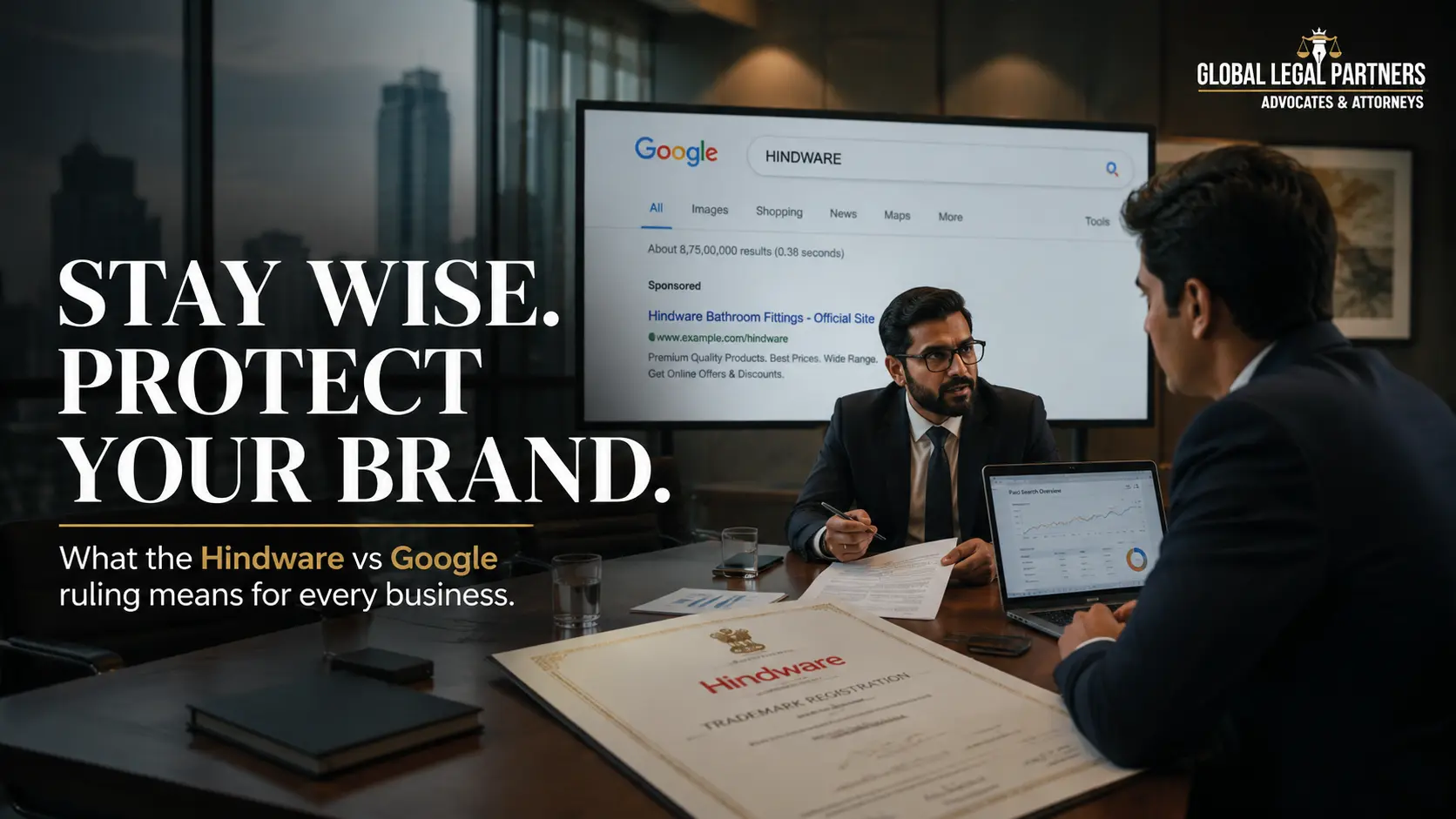
A business owner consulting an intellectual property lawyer regarding trademark protection and digital advertising rights in India.

Stay Wise and Aware of Your Brand Legally: What Every Business Should Know About Trademark Protection

Stay Wise. Protect Your Brand.

A brand is far more than a name or logo. It represents years of investment, customer trust, market reputation, and commercial goodwill. Whether you operate a startup, a family-owned business, or a large enterprise, your brand often becomes one of your most valuable business assets.

Yet many businesses focus heavily on marketing their brand while paying far less attention to protecting it legally. In today’s digital marketplace, where consumers discover businesses through online searches and digital advertising, an unprotected brand can quickly become vulnerable to misuse, imitation, or unfair competition.

A recent judgment of the Delhi High Court has brought this issue into sharp focus, reinforcing that trademark rights extend beyond traditional forms of infringement and remain equally important in the digital advertising ecosystem.

Your Trademark Is a Business Asset

Every successful brand eventually develops commercial value. Customers begin associating a particular name with the quality, reliability, and reputation of a business. This goodwill is precisely what trademark law seeks to protect.

A registered trademark gives its owner the exclusive right to use the mark in relation to the goods or services for which it is registered. More importantly, it enables businesses to prevent others from using identical or deceptively similar marks in a manner likely to create confusion among consumers.

As businesses increasingly compete online, protecting that goodwill has become just as important as creating it.

The Digital Marketplace Has Changed Brand Protection

For years, businesses have competed not only through products and pricing but also through digital advertising.

One common practice involved competitors purchasing another company’s trademark as a keyword in online advertising. This meant that when consumers searched for one particular brand, advertisements for competing businesses could appear prominently in the search results.

While many businesses viewed this as an accepted digital marketing strategy, it also raised an important legal question: Can someone commercially benefit from another company’s registered trademark simply because the trademark itself is not visibly displayed in the advertisement?

The Hindware Judgment: A Landmark Development

This question came before the Delhi High Court in a dispute involving Hindware, a well-known sanitaryware brand.

Hindware discovered that competing businesses had purchased its registered trademark as a keyword through Google’s advertising platform, resulting in competitors’ advertisements appearing when consumers searched specifically for “HINDWARE.” Hindware argued that this diverted potential customers and allowed competitors to benefit from the goodwill associated with its registered trademark.

In a significant judgment, the Delhi High Court held that using a registered trademark as a keyword to trigger advertisements could amount to “use in advertising” under the Trade Marks Act, 1999. The Court permanently restrained Google from permitting the use of the “HINDWARE” trademark as a keyword in the circumstances before it and directed Google to pay ₹30 lakh in damages.

The Court observed that digital advertising cannot become a mechanism for exploiting another business’s established reputation merely because the keyword itself remains invisible to users.

It is important to note that Google has challenged this judgment, and the matter remains under appellate consideration. The Delhi High Court has, however, declined to stay the single-judge ruling for the time being.

Why This Matters for Businesses

The significance of this decision extends beyond one company or one technology platform.

It serves as a reminder that trademark protection is no longer confined to product packaging, signboards, or domain names. Digital advertising strategies, search engine marketing, and online consumer journeys increasingly intersect with intellectual property rights.

Businesses investing substantial resources to build brand recognition should therefore view trademark registration not as a regulatory formality but as a strategic business investment.

At the same time, marketing teams should ensure that their advertising campaigns respect the intellectual property rights of competitors. Aggressive digital marketing strategies should always be evaluated alongside applicable legal obligations.

Common Mistakes Businesses Make

Many businesses delay registering their trademarks until they encounter a dispute. Others assume that registering a company name automatically grants trademark protection, which is not necessarily the case.

Some businesses also overlook monitoring the marketplace for unauthorized use of their marks. In the digital era, infringement may occur through online advertisements, domain names, social media profiles, e-commerce listings, or search engine marketing campaigns.

Waiting until substantial damage has occurred often makes enforcement more difficult and more expensive.

Insights & Analysis

The Hindware decision reflects a broader trend in Indian intellectual property law. Courts are increasingly recognising that commercial goodwill deserves meaningful protection, even where infringement occurs through evolving digital technologies rather than traditional forms of imitation.

For businesses, the judgment is a reminder that brand protection should not begin only after infringement is discovered. A proactive legal strategy—covering trademark registration, monitoring, licensing, enforcement, and regular legal review—is often far more effective than reacting after customer confusion has already occurred.

As commerce becomes increasingly digital, intellectual property will continue to play a central role in competitive advantage. Businesses that treat trademarks as strategic assets rather than administrative formalities are generally better positioned to protect both their reputation and long-term commercial value.

When Should You Seek Legal Guidance?

Professional legal advice becomes particularly valuable before launching a new brand, expanding into new markets, licensing intellectual property, initiating major advertising campaigns, or responding to suspected trademark infringement.

Early legal guidance can help businesses secure appropriate protection while reducing the risk of costly disputes later.

Conclusion

Building a strong brand requires years of consistent effort. Protecting it legally requires foresight.

The recent Delhi High Court judgment involving Hindware demonstrates that Indian courts are prepared to examine how trademark rights operate in the modern digital economy. While the litigation continues through the appellate process, the decision underscores an important lesson for every business: your brand is one of your most valuable assets, and safeguarding it should be an integral part of your overall business strategy.

Staying legally aware today may be what protects your brand’s reputation tomorrow.


About the Author

Adv. Subhash Nair is the Managing Partner and Director of Global Legal Partners. He advises individuals, businesses, and institutions on a wide range of legal matters across civil, criminal, corporate, family, and consumer law. This article is intended for informational purposes only and should not be construed as legal advice.


References

  • Trade Marks Act, 1999 (particularly Section 29)
  • Delhi High Court judgment in Hindware v. Google (May 2026)
  • Delhi High Court proceedings on Google’s appeal (July 2026)

Creative Bharat is focused on entrepreneurship, business strategy, mindset, personal growth, discipline, creativity and leadership.

Contact Us

Email Us: manjula@creativebharat.com creativebharatgroup@gmail.com

Insta Feeds

COMING SOON!!!

Creative Bharat  @2026. All Rights Reserved.